A plumbing problem rarely starts at a convenient time. If water appears under a sink at night, a toilet backs up on a weekend, or several drains stop working, it can be hard to know whether to call for after hours plumbing or wait until morning. The right choice depends on whether the problem is active, spreading, affecting essential service, or creating a safety concern. This guide helps Treasure Coast homeowners make a calmer decision and prepare useful information before requesting help.
Request plumbing help from Plumbing by Bishop
How do you decide whether a plumbing problem can wait?
Start with three questions: Is water or sewage actively escaping? Is the problem getting worse? Does it affect a safety issue or an essential fixture? If the answer to any of these is yes, prompt professional guidance is sensible. If the problem is contained, limited to one fixture, and not causing damage, it may be possible to stop using that fixture and arrange service during normal hours.
This is a practical triage guide, not a diagnosis. The same symptom can have different causes in different homes. If you are unsure, describe what you see to a plumbing professional and ask whether the situation needs attention now. Do not assume that a problem is minor just because the visible leak is small; water can travel behind cabinets, under flooring, or into a wall.
A quick check can make the decision clearer. First, look from a dry, safe spot and identify where water or wastewater is coming from. Next, see whether the issue continues when the affected fixture is not being used. Then check whether another fixture or room is involved. Finally, note any change over a short interval without touching wet equipment or entering a flooded area. If the leak is spreading or the symptoms are worsening, do not wait for repeated checks to prove it; seek guidance.
| What you notice | Typical next step | Why it matters |
|---|---|---|
| Uncontrolled water flow or a leak that keeps spreading | Seek prompt plumbing guidance; use a safe, accessible shutoff if you know where it is | Ongoing water can damage finishes and belongings |
| Sewage coming back through a drain or toilet | Stop using affected fixtures and request prompt help | Wastewater creates a sanitation concern |
| Several drains slow or blocked at once | Limit water use and arrange prompt assessment | A shared drain or sewer issue may affect more than one fixture |
| One slow drain or a dripping faucet that is contained | Stop using or limit use of the fixture and schedule service if it continues | It may be possible to prevent worsening while you wait |
| No hot water, with no leak, burning smell, or other hazard | Check the appliance’s normal controls only if safe, then contact a plumber for advice or scheduling | A loss of hot water alone is often less urgent than an active leak or safety concern |
| Gas odor or suspected gas leak | Leave the area and contact the gas utility or emergency services from a safe location | Do not treat a suspected gas leak as a routine plumbing call |
Which plumbing symptoms should not wait?
Some situations call for prompt attention because they can cause damage, affect sanitation, or present a safety risk. You do not need to identify the failed part before asking for help. Describe the symptom and where it is happening.
Water is flowing and you cannot contain it
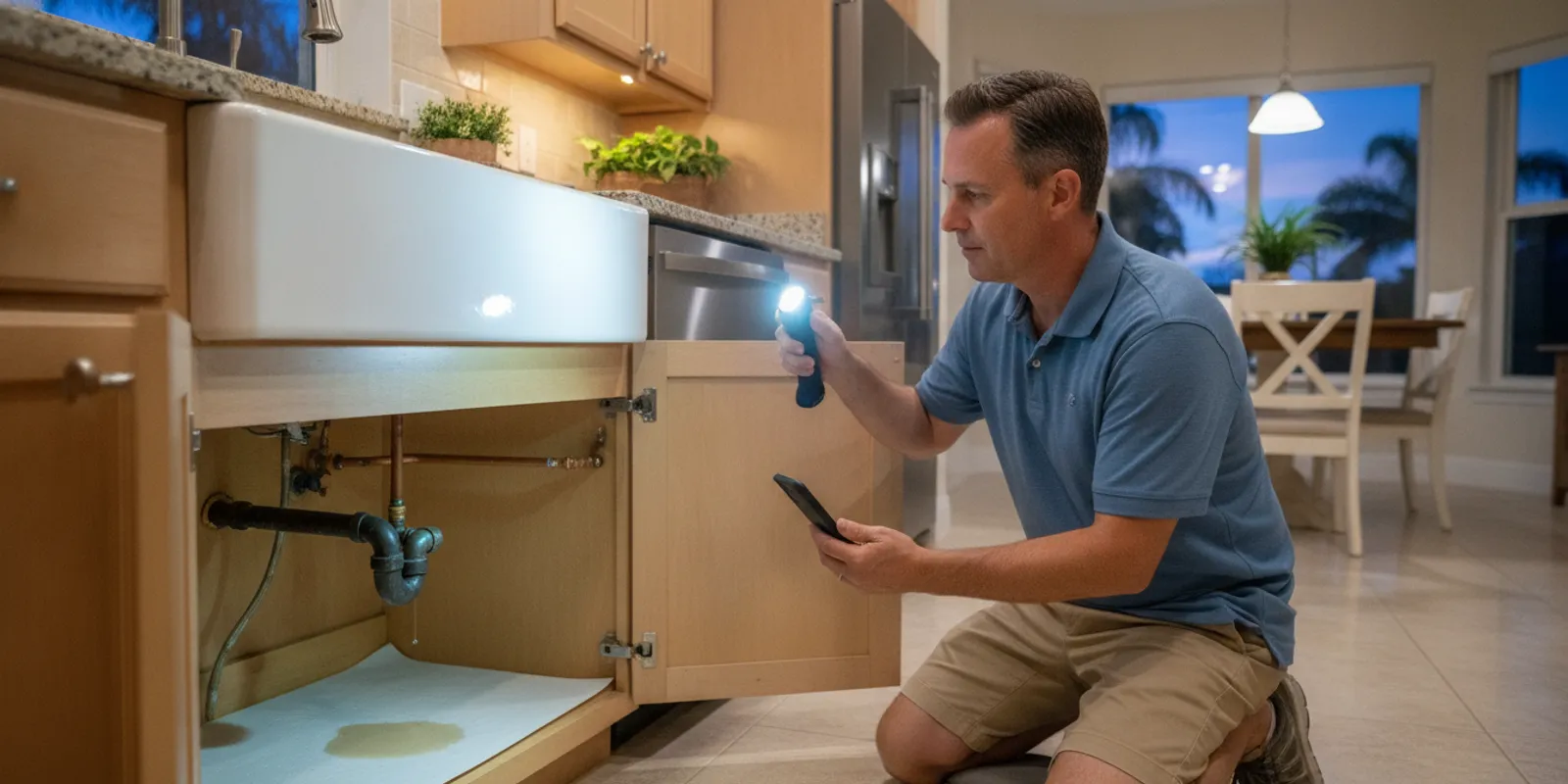
An active leak that continues after you stop using the fixture deserves prompt attention, especially if water is reaching a wall, cabinet, ceiling, floor, or electrical equipment. If you can safely reach a clearly identified fixture shutoff, you may close it. If you cannot identify the correct valve, it is stuck, or reaching it would mean stepping into water near electrical equipment, do not take that risk. Call for guidance instead.
If the leak is isolated to one fixture and its shutoff works, keep that fixture out of use and check whether the area stays dry. A leak that continues, reappears, or spreads is a different situation. Plumbing by Bishop provides plumbing repair and leak-detection service for homeowners who need the source checked.
Sewage or dirty water is coming back inside
Wastewater backing up into a tub, shower, floor drain, or toilet should be treated differently from a slow sink. Stop running water in the affected part of the home. Avoid contact with the water, keep children and pets away, and do not try to clear a suspected main-line problem with chemical drain products. If more than one fixture is affected, tell the plumber that when you call.
A single clogged fixture may have a localized cause, but repeated backup or simultaneous trouble in multiple drains can point to a broader drain or sewer concern. See the drain cleaning service information for the types of drain issues a plumber can assess.
Several fixtures stop draining or working together
One slow bathroom sink is inconvenient; several fixtures failing at once is more significant. If toilets, tubs, or sinks in different areas are backing up or draining poorly, avoid adding more water to the system until you have advice. Make a note of which fixtures are involved and whether the issue began at the same time.
Similarly, if water service has stopped throughout the home, check whether a nearby faucet or another fixture behaves the same way. Do not force valves or attempt unfamiliar repairs. If you have a light commercial property, note whether the issue affects one fixture, one section, or the whole building, and whether it interrupts essential operations. Plumbing by Bishop serves residential and light commercial customers; its commercial plumbing page outlines that service area.
You suspect a gas leak or another immediate hazard
If you smell gas or otherwise suspect a gas leak, leave the building. Do not operate switches, use a flame, or stay inside to investigate. From a safe location, contact the gas utility or emergency services as appropriate. A plumbing contractor is not a substitute for emergency response to an immediate hazard.
Also avoid touching wet electrical equipment or entering a flooded area where electrical hazards may be present. Move to a safe location and contact the appropriate emergency service. For an issue that is clearly plumbing-related but not an immediate life-safety emergency, use the business’s emergency plumbing information and contact page to explain what is happening.
What problems may be able to wait until morning?
A problem may be less urgent when it is contained, not spreading, and does not involve sewage, a suspected gas leak, electrical danger, or loss of an essential service. For example, a slow drip into a bowl, a single sink that drains slowly, or a toilet that is not overflowing may be manageable for a short time if the affected fixture can be left unused and the area stays dry.
“Can wait” does not mean “ignore it.” A drip can worsen, and a drain that works intermittently can become fully blocked. Keep the affected fixture out of use, place a container only if it is safe and practical, and check the area periodically. If the condition changes, reassess rather than relying on the earlier decision.
Consider two common examples. If a bathroom faucet drips into an empty sink, the shutoff is known and accessible, and the cabinet and floor remain dry, leaving that sink unused may allow you to arrange a regular appointment. If water continues to appear under the cabinet after the faucet is off, or the damp area grows, the leak may not be limited to the faucet; treat the changed symptom as a reason to ask for prompt guidance. For a slow drain in one guest bathroom, avoid using that fixture and monitor it. If a nearby toilet begins gurgling or another drain backs up, stop using water in that area and update the plumber because the scope has changed.
A loss of hot water without a leak or other hazard may often be scheduled rather than treated as an immediate emergency. Do not open appliance panels or attempt electrical or gas repairs. For a water heater problem, note whether there is water around the unit, any unusual sound or smell, and whether the problem affects hot water throughout the home. The water heater service page explains the repair and replacement service available.
Home age alone cannot tell you whether a plumbing symptom is urgent. The U.S. Census Bureau’s historical housing tables on plumbing track complete plumbing facilities as a broad housing measure; they do not assess the condition of an individual home’s pipes. What is happening now, and whether it is changing, is more useful for deciding what to do tonight.
What can you safely do while arranging help?
Focus on limiting use and reducing exposure. You do not need to make a repair before calling.
- Stop using the affected fixture. Ask household members not to flush, run water, or use connected fixtures if a backup is suspected.
- Use a shutoff only if you can identify it and reach it safely. A fixture valve may stop water to a sink or toilet. If the leak continues or the valve is difficult to turn, do not force it.
- Keep clear of hazards. Avoid wet electrical equipment, standing water near outlets, and sewage. Move people and pets away from the affected area.
- Protect belongings if it is safe. Move items out of the path of water. Do not enter a flooded or unsafe area to retrieve them.
- Skip improvised chemical fixes. Do not combine drain products or pour chemicals into a fixture that is backing up. Tell the plumber if any product has already been used.
- Observe without dismantling. A photo or short video from a safe location can show whether the leak is active or where a backup appears.
These steps are intentionally limited. Do not remove plumbing connections, open a water heater, or work on gas or electrical components if you are not qualified. A temporary measure should not create a new hazard or make it harder for a professional to understand the problem.
It also helps to distinguish between stopping water and restoring service. Closing a fixture valve may limit a local leak, but it does not confirm that the underlying issue is fixed. Keep the fixture out of use until it has been assessed. If you have to close a home shutoff and are unsure what it controls, tell the plumber exactly what you did and whether water stopped elsewhere. Do not reopen valves simply to test them if doing so could restart a leak.
What information should you have ready when you call?
A clear description helps the plumbing team understand the situation and discuss the next step. Before calling, gather what you can safely observe:
- When it began: Give an approximate time and say whether the problem started suddenly or developed over several hours or days.
- Where it is happening: Identify the room, fixture, and floor. Say whether water is under a sink, appearing at a ceiling, or coming from a drain.
- What is affected: Note whether one fixture or several are involved, and whether other parts of the home still have water or drainage.
- Whether it is changing: Explain if the leak is steady, intermittent, growing, or stopped after you closed a safe shutoff.
- What you have already tried: Mention any valve you turned, fixture you stopped using, or drain product used. This avoids guesswork and helps the professional plan.
- Access and safety details: Point out standing water, pets, a locked gate, difficult access, or any concern about reaching the affected area.
- Your location and availability: Share your Treasure Coast city and the best way to reach you. Do not assume a particular arrival time; confirm scheduling and service details directly.
If you are unsure whether a symptom merits an after-hours call, say so plainly. Ask what information they need to evaluate the urgency and what to do while you wait. Plumbing by Bishop serves communities including Stuart, Jensen Beach, Palm City, Hobe Sound, and Port St. Lucie; check its Treasure Coast service areas for coverage details.
For example, instead of saying only “the bathroom is flooding,” describe whether the water is coming from the toilet base, rising in the bowl, or appearing from a separate floor drain. Say if you flushed, ran a nearby sink, or noticed another fixture drain slowly. For a leak, explain whether it is a steady stream, a drip, or dampness that returns after wiping it up. These observations do not diagnose the cause, but they give the professional a more useful starting point and help distinguish a contained fixture concern from a wider problem.
If you are calling for a rental or light commercial property, confirm who can provide access and who is authorized to approve service. Give the exact unit or room, any building entry instructions, and a contact person who can respond. Avoid sending someone into a hazardous area to take pictures or operate a shutoff. A short, accurate description is more useful than a risky attempt to gather details.
What should you ask about after-hours service?
Before arranging a visit, ask questions that help you understand the next step without assuming a price or arrival time. Plumbing needs and service conditions differ, so request current details for your situation.
- Does the symptom described call for prompt service, or can the affected fixture remain out of use until regular hours?
- What should everyone in the home avoid doing while waiting?
- What is the service-call or diagnostic process, and what pricing applies to this specific request?
- Will the technician need access to a particular room, shutoff, water heater, or exterior area?
- What should you do if the leak worsens or another fixture becomes affected before help arrives?
- Is there anything you should photograph or keep available for the visit?
Do not rely on a generic online price for a particular emergency. The cost can depend on the problem, access, parts, and work required. Contact Plumbing by Bishop for service-specific pricing, estimates, and details about the available appointment.
Contact Plumbing by Bishop to discuss the plumbing problem
Frequently asked questions
Should I call a plumber for a small leak at night?
Consider whether it is still active, spreading, or near electrical equipment. If you can safely close a known fixture shutoff and the area stays dry, you may be able to leave that fixture unused and schedule service. If water continues, spreads, or you cannot contain it safely, ask for prompt plumbing guidance.
Is a clogged toilet an after-hours emergency?
It depends on whether it is overflowing, whether other fixtures are affected, and whether you have another usable toilet. Do not flush repeatedly if the bowl is rising or backing up. Keep the toilet out of use and contact a plumber for advice if the problem continues or involves other drains.
Should I use drain cleaner before calling?
Avoid adding chemical products to a drain that is backing up, and never mix products. If you already used one, tell the plumber what product it was and when you used it. That information can help the professional plan a safer assessment.
Does no hot water require an emergency visit?
Not always. If there is no leak, gas odor, burning smell, or other safety concern, it may be possible to arrange service for a later appointment. If water is escaping or you notice a possible hazard, treat those symptoms separately and seek appropriate help.
Make the decision based on what is happening now
After-hours plumbing decisions are easier when you focus on active damage, sanitation, safety, and the number of fixtures affected. Keep people away from hazards, limit use of the problem area, and gather clear details rather than attempting an unfamiliar repair. When the situation is uncertain or getting worse, contact a plumbing professional and ask what to do next.