
A loose faucet fitting or a simple drain clog can be manageable with the right tools and a little patience. Problems involving hidden leaks, gas, major pipework, or flooding are different. Because a quick mistake can become water damage, a failed inspection, or a repair that costs more to correct.
For DIY vs professional plumbing Florida decisions, handle only basic, visible tasks when you can shut off the water and understand the repair. Choose a licensed professional for water heaters, repiping, gas lines, sewer problems, backflow equipment, permits, and any issue you cannot confidently diagnose.
Treasure Coast homes also face their own practical concerns, from aging fixtures to sudden storm-related plumbing problems. Knowing where a small maintenance job ends and licensed work begins helps you protect your home without taking unnecessary risks. Start with the everyday tasks that are generally safe to handle yourself, along with the precautions that keep a simple repair from becoming a larger one.
Contact Plumbing by Bishop for a professional evaluation of your plumbing project.
What Plumbing Tasks Are Safe to DIY in Florida?
Florida homeowners can handle some basic plumbing maintenance, but the line between a minor repair and regulated plumbing work matters. Plumbing contracting is a licensed trade regulated through Florida's Department of Business and Professional Regulation (DBPR). Under the Florida Building Code, significant work and projects that require a permit should be completed by a licensed plumber rather than treated as a casual weekend repair. Florida homeowners may legally perform certain basic plumbing tasks, but the specific project and local permitting requirements should be confirmed before work begins.
Minor repairs that are usually reasonable for homeowners
For a simple, accessible problem, DIY work may be practical when you have the right tools and know how to shut off the water first. Examples include:
- Using a plunger to clear a simple sink, tub, or toilet clog.
- Tightening a loose fitting on a faucet with an appropriately sized wrench.
- Replacing a worn faucet washer when the shutoff valve works and the repair is straightforward.
- Replacing a toilet flapper when the toilet is otherwise in good condition.
These jobs are limited in scope and generally do not change the home's water or drain system. Basic repairs such as a clogged drain or leaky faucet are commonly feasible for a prepared homeowner. But forcing a corroded fitting or using the wrong tool can turn a small repair into a larger leak. The University of Oregon's home-maintenance guidance also recommends turning off the water supply before attempting DIY plumbing work: read the safety guidance for minor plumbing repairs.
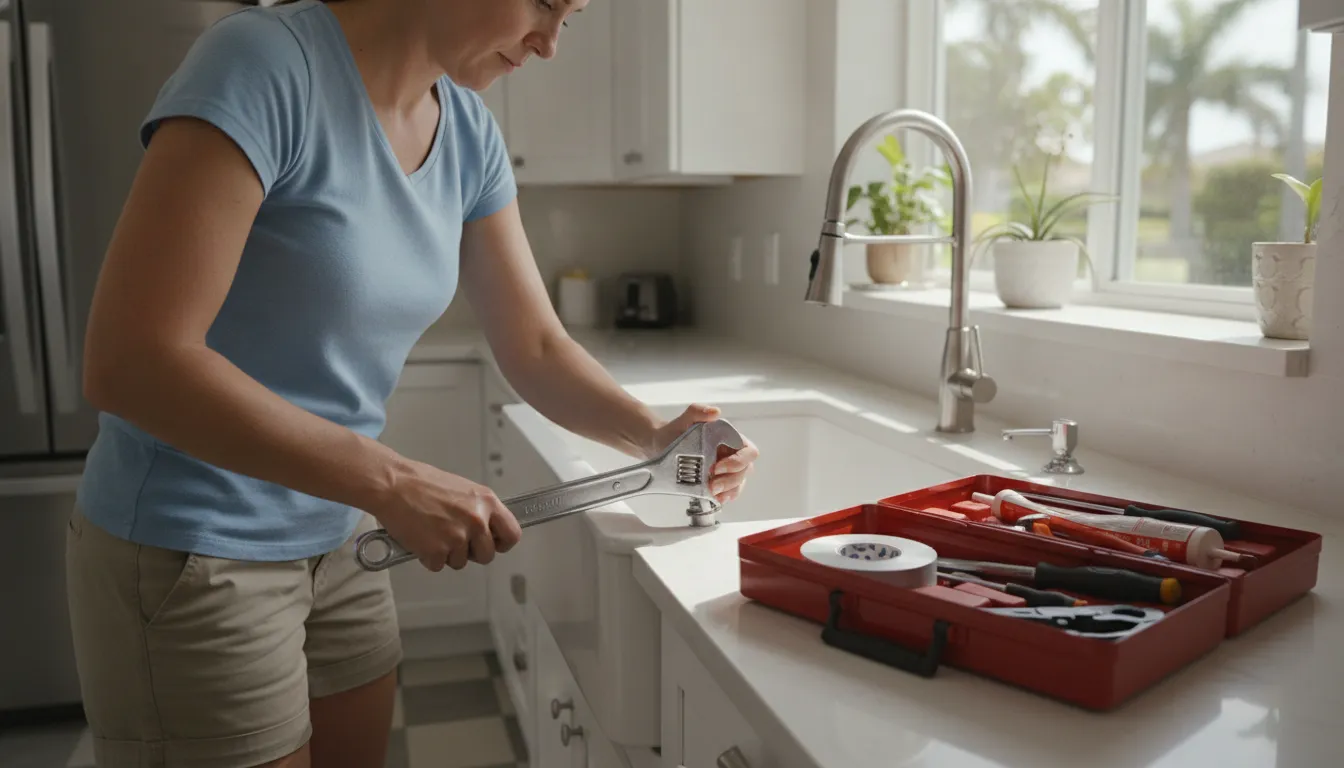
Know when a small task is no longer small
Stop and call a licensed plumber if the shutoff will not close. Water is appearing inside a wall or ceiling, multiple fixtures are backing up, or the same clog quickly returns. A repair involving new supply lines, drain changes, gas connections, a water heater, repiping, backflow equipment, or other permitted work is outside the sensible DIY category. Florida guidance identifies repiping, gas lines, and water-heater installation as work requiring licensed expertise, because mistakes can lead to water damage, recurring problems, or a failed inspection.
For ongoing care, use these routine plumbing maintenance steps to catch problems early. When the task involves more than a simple adjustment or replacement, a professional diagnosis protects the home and helps ensure the work meets applicable code.
When to Call a Licensed Professional Plumber
Some plumbing projects are best left to a licensed professional, especially when the work affects gas, major water lines, wastewater, or a new installation. In Florida, repiping, gas line work, and water heater installation are examples of projects that require licensed plumbing expertise, while significant work may also require permits and inspections. Completing these jobs without the right qualifications can create code problems and make it harder to confirm that the system is safe and reliable. Complex plumbing installation and remodeling also deserves professional planning before walls are opened or fixtures are relocated.
Projects that involve permits, gas, or major pipework
Call a licensed plumber before starting a repipe, installing or replacing a water heater, connecting gas lines, or changing plumbing during a remodel. These projects involve more than tightening a fitting. The plumber must select compatible materials, make secure connections, protect against leaks, and account for drainage, pressure, ventilation, and access. A professional can also identify when permits or inspections apply and help ensure the finished work meets local requirements. Homeowners who want to understand the investment before a full replacement can start with this guide to repiping costs for Florida homes.
New installations deserve the same care. A water heater that is improperly connected can affect water, gas, or electrical systems. And a repipe that is planned poorly may leave low pressure or recurring leaks behind. Professional diagnosis addresses the cause of the problem rather than covering up one visible symptom.
Signs that prompt service can prevent more damage
Do not treat a burst pipe, major leak, sewer line problem, or flooding from an unknown source as a trial-and-error repair. Research identifies burst pipes and sewer line problems as situations for professional help, particularly when multiple drains slow down, fixtures gurgle, or unpleasant odors come from drains. A licensed plumber has the tools to inspect difficult sewer problems and determine whether the issue involves roots, a collapsed pipe, or another obstruction. For a closer look at the options, review how Treasure Coast homeowners compare sewer line repair options.
Call for help when an overflowing toilet will not stop, water stains appear on a ceiling or wall, or water pressure suddenly drops. Shut off the appropriate water supply if you can do so safely and arrange for service. Prompt diagnosis can limit water damage and get the system back to dependable operation without relying on a temporary fix.
For Treasure Coast homeowners, Plumbing by Bishop provides professional residential and light commercial plumbing service with a focus on clean, careful workmanship.
Weighing DIY vs Professional Plumbing Florida Costs and Risks
A small part from the hardware store can make a do-it-yourself repair feel like the economical choice. That first calculation, however, may leave out the cost of diagnosing the problem. Correcting an installation mistake, repairing water damage, or replacing materials that were damaged along the way. DIY plumbing can be reasonable for a straightforward task when you understand the repair and have the right tools. If you are unsure, the lower purchase price does not necessarily represent the lower overall cost.
| Consideration. | DIY plumbing. | Licensed professional plumber. |
|---|---|---|
| Upfront cost. | Lower parts cost, no labor. | Includes diagnosis, labor, and materials. |
| Risk of hidden damage. | Higher when the cause or pipe layout is unclear. | Lower, with training to find the root cause. |
| Permits and code. | Owner responsible for requirements. | Handled through the licensed contractor. |
| Warranty coverage. | May be voided by improper installation. | Protected through authorized service. |
| Liability. | Falls on the homeowner. | Carried by the licensed, insured contractor. |
Why a low-cost repair can become expensive
Plumbing systems are connected. Tightening the wrong fitting, using an unsuitable seal, or covering up a slow leak can allow water to travel into cabinets, walls, flooring, or ceilings. A repair that appears complete may also leave the underlying cause untouched, leading to recurring leaks, poor drainage, or another failure. Research on DIY plumbing cautions that working without the necessary knowledge or tools can cause further damage and increased repair costs. And mistakes can also contribute to failed inspections and recurring problems. Assess your plumbing skills and tools before starting a repair, rather than relying only on the price of a replacement part.
Delaying a hard-to-find leak can lead to extensive water damage and mold growth, which may affect a property's safety and indoor environment. Promptly shutting off the water and arranging an inspection is a practical response, not an overreaction. A professional can identify the root cause and recommend a repair based on the condition of the system.
How professional service reduces exposure
Licensed, insured plumbing professionals bring training, appropriate equipment, and experience with complex work. They can evaluate whether a repair affects other fixtures, concealed piping, drainage, or code requirements instead of treating only the visible symptom. On significant work, permits and inspections under the Florida Building Code may also matter. A licensed contractor's insurance and liability coverage can provide an important layer of protection when complex plumbing work causes accidental property damage. Nationwide offers additional guidance on when to hire a professional for home repairs.
For Treasure Coast homeowners, the sensible comparison is not simply the cost of parts versus a service call. Consider the likelihood of a correct first repair, the potential impact of hidden damage. And the value of having a qualified professional responsible for complex work, especially when the issue involves an active leak, concealed piping, sewage, gas, or repeated failure. Professional diagnosis can help protect the home and prevent a small plumbing concern from becoming a larger one.
Talk to a licensed Treasure Coast plumber about your repair before it grows.
How DIY Repairs Can Void Your Water Heater Warranty
A water heater may look like a straightforward appliance, but its installation and repair involve water connections, electrical components, fuel systems, temperature controls, and safety devices. A well-intentioned repair can create a leak, damage a component, or leave the system installed outside the manufacturer's requirements. When that happens, a warranty claim may be denied because the damage resulted from improper installation, unauthorized repair, or alteration.
Why water heater work is different from a minor plumbing fix
Replacing a faucet washer or tightening a loose fitting is very different from installing, rewiring, relocating, or modifying a water heater. Major water heater installations require a licensed professional in Florida, along with compliance with applicable plumbing and building requirements. The distinction matters because an incorrect connection or missing safety measure can affect both performance and warranty coverage. The research for this guide identifies water heater installation among the work that requires a licensed plumber in Florida. Review the guidance on licensed plumbing work before taking on a project that goes beyond a simple adjustment.
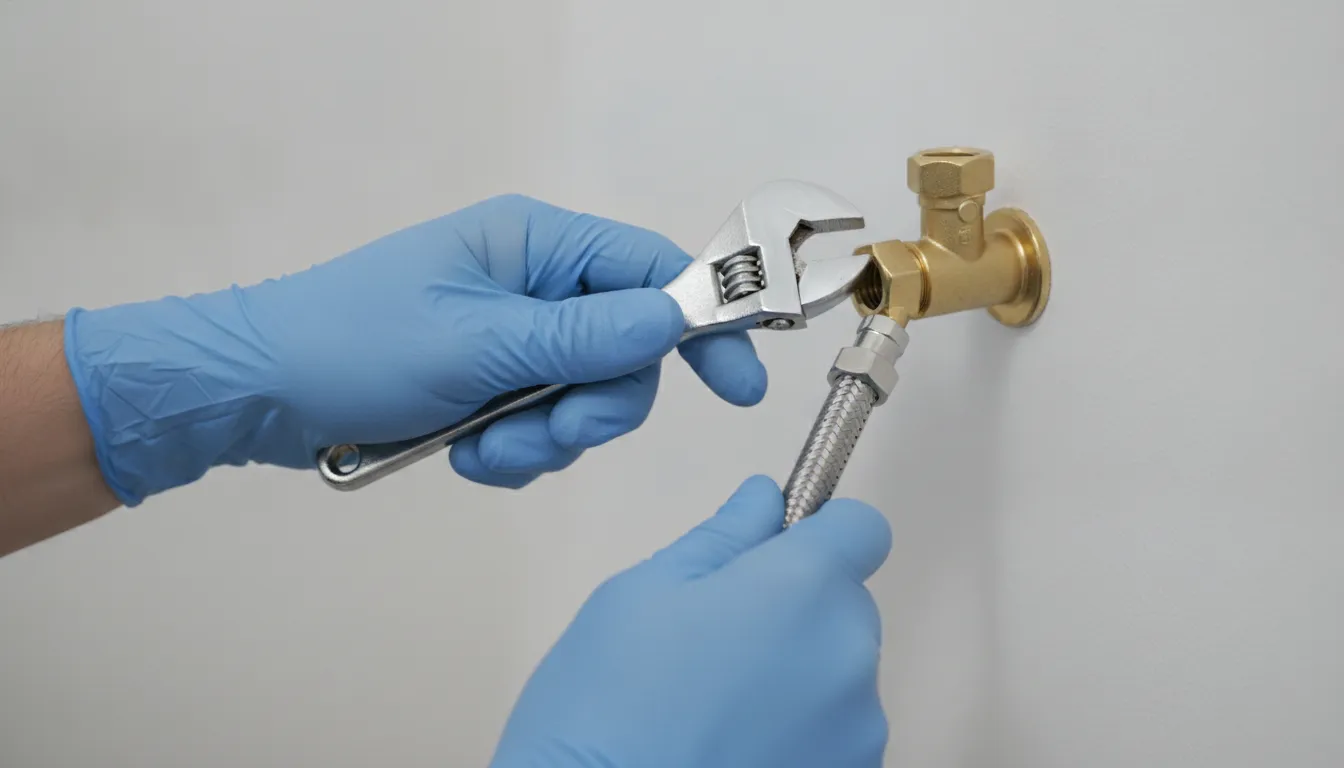
How authorized warranty service protects your coverage
Authorized service gives the manufacturer a documented, qualified path for diagnosis and repair. Plumbing by Bishop is an authorized warranty service provider for Rheem, GE, Ruud, Bradford White, and North Star, and that service is limited to the appropriate warranty-service context. But it can help homeowners avoid guessing at the cause of a failure or using parts and methods that conflict with warranty requirements. Learn more about water heater warranty coverage for Florida homeowners before you open the unit.
DIY can feel budget-friendly at first, especially when the repair appears to require only one inexpensive part. However, the initial saving can disappear if the work causes additional damage or leaves you responsible for a denied warranty claim. Before opening the unit, check the warranty terms and ask whether the planned work could affect coverage. For practical guidance on when to call a professional for water heater repairs, contact a qualified plumbing team and keep the installation and service records available.
Professional diagnosis also keeps the repair focused on the underlying problem rather than a temporary symptom. That protects the equipment, the home, and the coverage you may need when a covered component fails.
Why Treasure Coast Homeowners Rely on Licensed Plumbers
For homeowners comparing DIY vs professional plumbing Florida options, trust is often as important as technical skill. A small repair may be manageable with the right tools. But complex work calls for someone who understands the home, the local community, and the consequences of getting the job wrong. Plumbing by Bishop has served Stuart and the Treasure Coast since 1983, helping homeowners make practical decisions about repairs, installations, and emergency plumbing needs.
Local experience, professional standards
Treasure Coast homes in Stuart, Jensen Beach, Palm City, Hobe Sound, Port St. Lucie, Jupiter, and Tequesta can have very different layouts, fixtures, and plumbing challenges. A licensed professional can investigate the underlying cause instead of treating only the most visible symptom. That matters when a recurring drain problem, hidden leak, or failed connection points to a larger issue.
Plumbing by Bishop combines that local experience with standards designed to make service comfortable for homeowners. Technicians are drug-tested and background-checked, appointments are handled with attention to punctuality, and the team works to leave the home clean when the repair is complete. The company's promise, "The Cleanest Plumbers in the Business," reflects more than appearance. It speaks to careful preparation, respectful work inside the home, and thorough cleanup afterward.
Homeowners also benefit from a flat-rate model as a way to understand the service before work begins, not as a promise of a particular price. The right cost depends on the diagnosis, parts, access, and scope of the repair. A professional evaluation helps clarify those details before a complex job moves forward. For larger projects, learn more about complex plumbing installation and remodeling before starting work.
When a leak, overflow, or loss of service cannot wait for regular business hours, Plumbing by Bishop also provides 24/7 emergency plumbing support. Prompt help can limit disruption and help prevent a manageable plumbing problem from becoming a larger repair. That combination of local history, screened technicians, clean workmanship. And responsive service is why many Treasure Coast homeowners choose a licensed plumbing team for work beyond a simple DIY fix.
Schedule service with Plumbing by Bishop before your next plumbing project.
Frequently Asked Questions
Can you do your own plumbing in Florida?
Yes, homeowners can generally handle simple tasks such as plunging a minor clog, replacing a toilet flapper, or tightening a loose faucet fitting. Larger installations, repiping, gas-line work, and water-heater installation involve licensing, permits, or code requirements and are better handled by a licensed plumber. Check the Florida DBPR licensing guidance and local requirements before starting unfamiliar work.
How do I know whether a plumbing repair is safe to DIY?
Consider the task, your experience, and what could happen if the repair fails. A visible, accessible fitting or simple drain clog may be reasonable if you have the right tools and shut off the water first. Stop and call a professional when the cause is unclear, water is entering walls or ceilings. Multiple drains are slow, or the repair involves hidden pipes, sewer lines, gas, or electrical connections.
What plumbing work requires a permit in Florida?
Requirements depend on the work and local authority, but new installations, repiping, water heaters, gas lines, and many drain or sewer projects commonly involve permits or inspections. Permits help verify that work meets the Florida Building Code. A licensed plumber can identify the applicable requirement and coordinate the work instead of leaving you with a failed inspection or an unsafe installation.
When should I call an emergency plumber instead of trying to fix it?
Call promptly for an active leak, a burst pipe, an overflowing toilet that will not stop. Or sudden sewage backup, sudden loss of water, flooding from an unknown source, or an odor of gas. Shut off the nearest water supply if you can do so safely. Keep people away from contaminated water, and contact Plumbing by Bishop for 24/7 emergency plumbing service on our contact page.
Ready to Make the Right Plumbing Call?
When a plumbing repair goes beyond a simple household task, a professional can help protect your home and complete the work correctly. Contact Plumbing by Bishop to get one of our licensed, background-checked plumbing professionals to handle the job.