
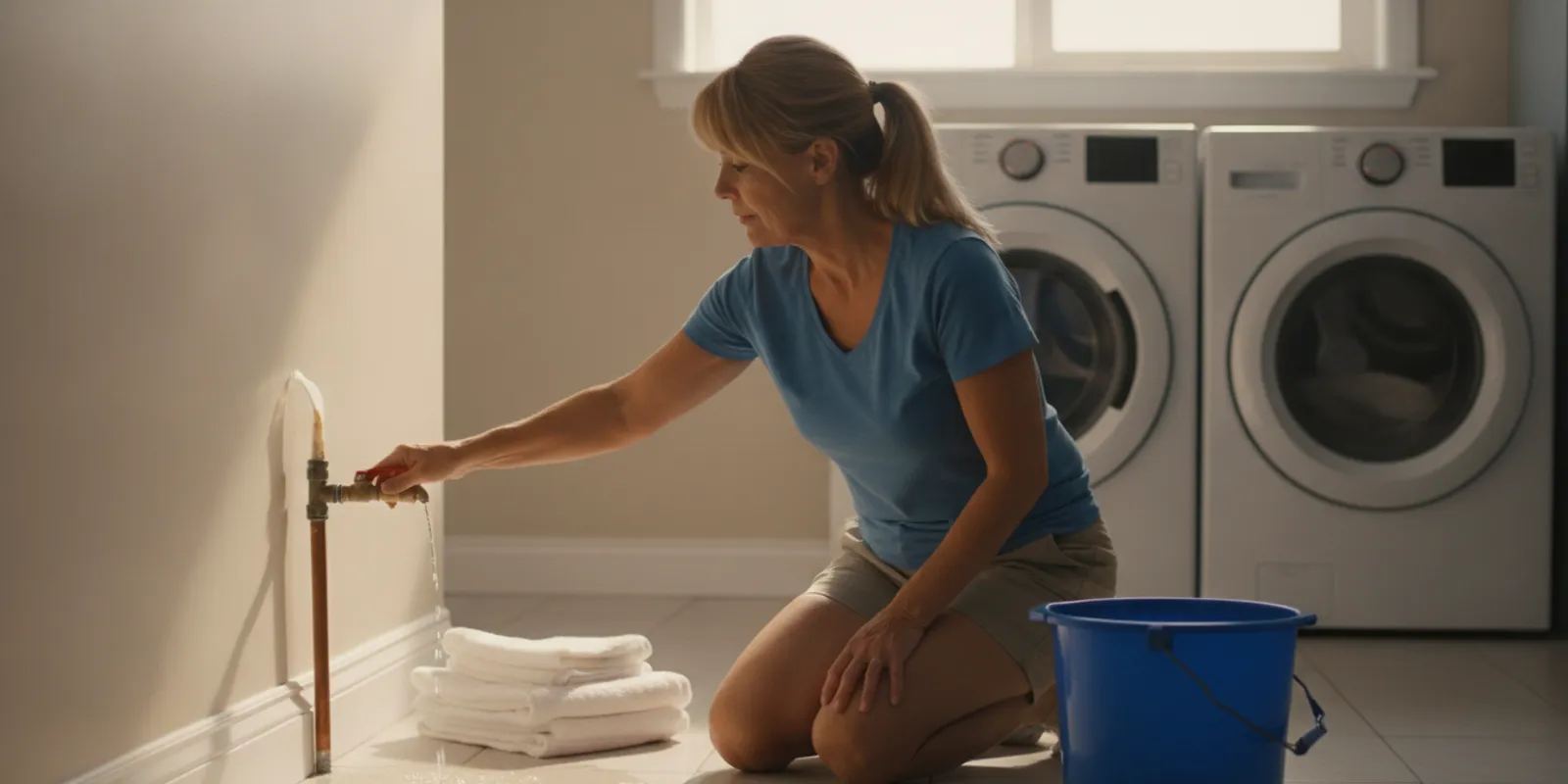
If water is escaping from a pipe, a few careful steps can limit additional damage while help is arranged. This emergency pipe leak repair checklist starts with controlling the water, then covers safe containment and what to tell the plumber. Do not take risks to reach a shutoff or move wet electrical equipment.
Contact Plumbing by Bishop for help
What should you do first when a pipe is leaking?
Pause and look for immediate hazards. If water is near outlets, appliances, a light fixture, or an electrical panel, keep clear. Do not step into standing water if you suspect it may be energized. If it is safe, keep people and pets away from the wet area.
Next, identify whether the leak is continuing and where the water appears to be coming from. Water can travel along a pipe, cabinet, wall, or floor, so the wettest visible spot is not always the source. Avoid cutting into walls or ceilings to investigate. A plumber can diagnose the source without turning a small opening into a larger repair.
How can you shut off the water safely?
If you can reach the relevant valve without crossing a hazardous area, turn it clockwise until it stops. A fixture valve under a sink or behind a toilet may stop water to that fixture. If the leak continues, or you cannot identify its valve, use the home’s main water shutoff if it is accessible and safe to reach.
Shutoff locations vary. Check near the point where the water service enters the home, in a utility area, or near the water meter. Do not force a stuck or damaged valve; forcing it may break the valve or pipe. If you are unsure which control is the main shutoff, the local water utility may be able to explain the meter-side arrangement. The City of Puyallup advises turning off the mains water and calling a plumber for major leaks or when in doubt: its leak detection and repair guidance.
Once the water is off, open a nearby cold-water faucet briefly to relieve pressure and drain some water from the line, if doing so is safe. This will not remove all water from plumbing, and it is not a substitute for repair.
Find the right valve without making the situation worse
If the leak is at a sink, toilet, or appliance connection, the local shutoff may isolate that fixture while leaving water available elsewhere. Turn the handle gently. Some valves use a lever rather than a round handle; move a lever a quarter-turn so it is perpendicular to the pipe when closed, if its design is clear. Do not use pliers or a wrench on a valve that resists movement. Corroded or brittle plumbing can fail when forced.
If there is no safe route to the valve, or you cannot tell what it controls, step back and explain that to the plumber. A clear description is more useful than a broken valve caused by hurried trial and error. If shutting off the main supply would affect other occupants or a business, tell them promptly that water service may be interrupted and ask them to avoid using fixtures until the leak is assessed.
How can you limit water damage without creating more risk?
For a small, accessible drip, place a bucket beneath it and use towels to catch splashes. Move belongings, rugs, and furniture away from the wet area if they can be moved safely. If water is spreading across a floor, avoid walking through it unnecessarily; wet floors can be slippery.
Do not use tape, sealant, or a clamp as a lasting repair. A temporary measure can fail under pressure and hide the extent of the problem. Avoid touching wet wiring, switching on appliances in the wet area, or using a household vacuum to remove water near electrical hazards. If water is close to electrical equipment, leave the area and contact the appropriate emergency service or utility for safe guidance.
If water is coming through a ceiling, do not stand beneath a bulging or sagging section. Keep people away and do not puncture it. A ceiling holding water can fail, and the leak source may be elsewhere above it.
Separate urgent hazards from ordinary cleanup
Take care of people first. Keep children and pets out of a wet room, and do not ask anyone to walk through water to retrieve possessions. If the water is clean and the leak has stopped, small amounts can often be collected with towels or a mop, provided the floor is safe and there is no electrical concern. Set wet items somewhere they can drain without blocking exits or creating a trip hazard.
Do not remove wallboard, flooring, insulation, or ceiling material as an emergency measure. Materials can hide wiring and the actual leak point, and demolition can make later assessment harder. If water is entering from above, spreading behind cabinetry, or soaking a large area, report that rather than trying to open up the structure. The immediate goal is to stop or reduce the flow and preserve safe access for diagnosis.
What should you avoid doing?
- Do not touch switches, cords, or appliances that are wet or surrounded by water.
- Do not use an open flame or heat source to dry a pipe or wet area.
- Do not apply a permanent-looking patch that could conceal continued leakage.
- Do not turn the water back on repeatedly to see whether the leak has stopped.
- Do not climb onto a wet surface or stand under a sagging ceiling to inspect damage.
These precautions are intentionally simple: avoid turning one plumbing problem into an electrical, fall, or structural hazard. If the safe choice is uncertain, leave the area undisturbed and tell the responding plumber what you can observe from a safe location.
What should you document before the repair?
When it is safe, take a few photos or a short video of the leak and affected area before moving items or cleaning up. Capture the pipe or fixture, the surrounding floor or cabinet, and any visible damage. Do not delay shutting off water or leaving an unsafe area to take pictures.
Write down when you first noticed the leak, whether it is still active, what was running at the time, and which valve you turned. Note any earlier symptoms, such as dampness, a change in water pressure, or recurring drips. These details can help the plumber understand the sequence, but do not assume they identify the cause.
Make a useful record, not a complicated report
Take a wide photo that shows the room and the location, then a closer view if it is safe to approach. Include a familiar object for scale only if doing so does not require touching the pipe or entering a hazardous area. If the leak is intermittent, note when it appears: for example, only while a particular fixture is running, after a toilet flush, or when an appliance is in use. Do not deliberately operate equipment to recreate the leak.
Keep your notes factual. Record what you saw, heard, or did, rather than labeling the failure as a specific type of pipe damage. You might write, “Water appeared under the kitchen sink around 8 a.m.; I closed the left-side valve and the visible dripping slowed.” That gives the plumber a timeline and an action taken without guessing at the cause.
Photographs may also help you remember the original conditions after you begin moving items or drying the floor. If there is extensive damage, ask your insurer what documentation it needs; do not assume a photo alone meets any particular claim requirement. Safety and stopping active water flow come first.
What information should you give the responding plumber?
When requesting emergency pipe leak repair, share concise, practical details. Explain the location, what you can see, whether water is still flowing, and whether you shut off a fixture valve or the main supply. Mention water near electrical equipment, ceiling damage, or any area you could not safely access.
- Where the leak appears and which rooms or areas are affected.
- When it began and whether the flow is a drip, spray, or steady stream.
- What shutoff you used and whether the water stopped.
- Any access concerns, such as a locked gate, appliance, or standing water.
- Photos or video you safely captured.
It can help to know whether the home is a single-family residence, condominium, rental, or part of a light commercial property, since access and who controls the water shutoff can differ. If you are a tenant or employee, notify the property owner or manager as well as arranging appropriate service. For shared buildings, ask building management whether a unit or building shutoff must be coordinated. Never assume a valve serves only your space if it is not clearly labeled.
Give the address and a callback number through the contact process, and describe how the plumber can reach the leak. Mention stairs, a gate, a security desk, parking restrictions, or a pet that needs to be secured. If water has been shut off to the whole property, say so plainly; the plumber should know that before arrival. Plumbing by Bishop serves residential and light commercial customers across the Treasure Coast. Learn about its plumbing repairs and leak services, emergency plumbing information, and full range of plumbing services. You can also check the company’s Treasure Coast service areas.
What happens after the plumber arrives?
Describe what happened and show the shutoff you used. The plumber can assess the pipe, determine whether the leak is isolated or part of a larger issue, and explain the repair options. Ask what needs to be done to restore service and whether any affected area should remain unused while work is underway.
Do not turn the water back on simply to test the leak unless the plumber says it is safe. If the leak seems to have stopped, the pipe may still be damaged, and pressure can restart the flow. Keep the area accessible and continue to avoid wet electrical hazards.
Questions to ask before work begins
Once the immediate situation is under control, ask the plumber to explain what they found in plain language. Useful questions include: Where is the water coming from? Is the visible damage limited to one area? What repair is proposed, and what does it involve? Will water need to remain off during the work? Is there anything you should avoid using afterward? These questions help you understand the next steps without trying to diagnose the pipe yourself.
Ask for service-specific pricing and an estimate before approving work, since the required repair depends on the source, access, and extent of damage. Avoid assuming a small visible drip means a small repair; likewise, do not assume every damp patch requires extensive work. A clear explanation of findings and options lets you make an informed decision.
After the repair, follow the plumber’s instructions about restoring water and watching the area. Check only where and when instructed, and report new moisture or renewed dripping promptly. Keep the photos and notes with any service information, especially if additional drying or follow-up is recommended.
| Situation | Safe next step | What to report |
|---|---|---|
| Small drip at a reachable fixture | Close the fixture valve if safe; place a container below it. | Which fixture is affected and whether the valve stopped the drip. |
| Water continues or source is unclear | Use the main shutoff if safely accessible; do not force a stuck valve. | Whether the main supply is off and where water is visible. |
| Water near electrical equipment | Keep clear and do not touch wet switches or appliances. | Describe the hazard from a safe location. |
| Water coming through a ceiling | Keep people away from sagging or bulging areas. | Which rooms are affected and whether the ceiling is changing. |
| Leak is intermittent | Do not recreate it; note when it occurs and what was already in use. | Timing, location, and any related fixture use observed. |
Frequently asked questions
Should I turn off the whole house water for a pipe leak?
If the fixture shutoff does not stop the leak, the source is uncertain, or water continues to flow, shut off the main supply if you can reach it safely. If a valve is stuck or the location is unsafe, do not force it; explain the situation when seeking help.
Can I patch the pipe until a plumber arrives?
Do not rely on tape or sealant as a permanent fix. Focus on shutting off water, catching a small drip when safe, moving belongings, and keeping clear of electrical or structural hazards. Tell the plumber about any temporary measure already applied.
Should I clean up the water before taking photos?
First control the leak and address safety. If conditions are safe, take a few quick photos before cleanup. Do not enter standing water near electrical equipment or delay urgent steps to document damage.
Should I stay in the room while waiting for service?
Only if the area is safe and you do not need to remain near the leak. Keep people away from electrical hazards, slippery floors, and any ceiling that is sagging. You can provide updates and access instructions from a safe location.
Keep the handoff clear and safe
Shutting off water when safe, protecting people from hazards, and sharing clear observations gives the plumber a useful starting point. Leave diagnosis and lasting repairs to a qualified professional, and keep away from any area that remains unsafe.