If you are asking, “how much does sewer line repair cost?” the honest answer is that the price depends on what is damaged and how the pipe can be reached. A small repair at an accessible cleanout is a different project from replacing a deep section beneath a driveway, landscaping, or a home. An inspection and a clear description of the work are the starting points for a useful estimate—not a one-size-fits-all price.
Contact Plumbing by Bishop to discuss your sewer line concern
Why Does Sewer Line Repair Cost Vary So Much?
A sewer line carries wastewater from the home to the municipal connection or another approved system. When a section cracks, shifts, collapses, leaks, or becomes obstructed, the repair scope depends on the location and condition of the pipe. Two homes can have similar symptoms but need different work because their pipe routes, depths, materials, and yard access are not the same.
That is why a broad price found online may not tell you what your repair will cost. It may describe a spot repair, a longer replacement, or a method that is unsuitable for your property. It may also leave out inspection, permits, or putting disturbed surfaces back in usable condition. A professional estimate should connect the observed problem to the proposed work and explain what is—and is not—included.
Think of an estimate as a description of a project, not just a number. The more clearly the scope identifies the location, repair method, access work, and restoration, the easier it is to compare options and make a decision. The same total can represent very different work if one proposal includes excavation and restoration while another covers only pipe repair.
Plumbing by Bishop uses flat-rate pricing as a general approach: customers are quoted for the job rather than billed by the hour. That does not mean every sewer repair has a standard price. The specific amount depends on the service and work required, so ask for a project-specific estimate rather than treating a general online range as a promised final bill.
What Should an Inspection Establish Before Pricing?
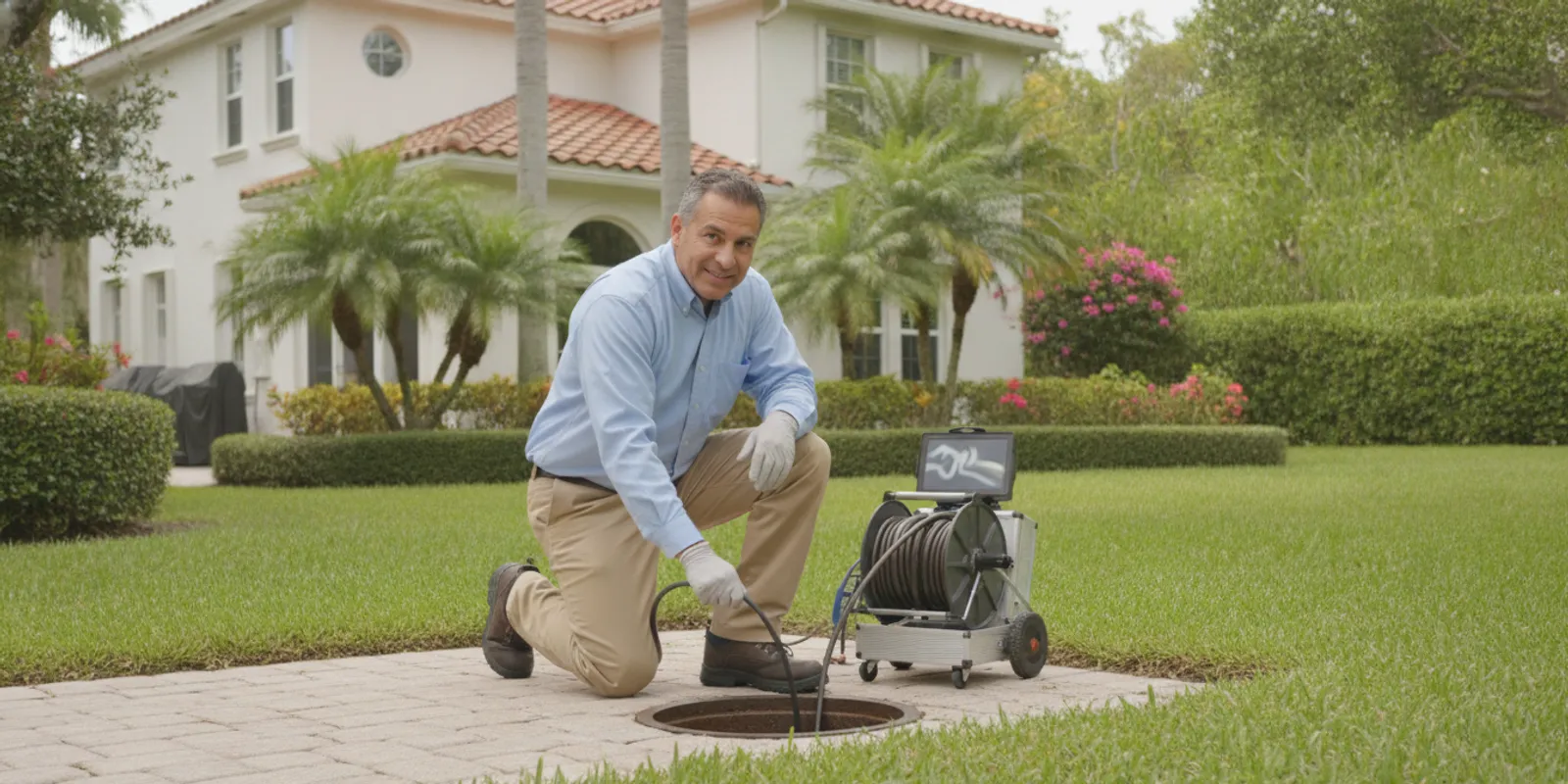
Before a plumber can recommend a repair, the goal is to find out where the issue is and what the pipe looks like. A sewer camera inspection may help show conditions inside the line, such as a break, an offset joint, a collapsed section, or a blockage. The inspection method and what it can reveal depend on the layout and accessibility of the system.
Symptoms alone do not pinpoint the repair. Slow drains, recurring backups, or wastewater coming up through a fixture can have more than one cause. A blockage may need a different response from a damaged pipe, and a problem in one branch may not require replacing the entire sewer line. For a practical overview of common sewer line blockage signs and next steps, keep in mind that symptoms are clues, not a substitute for diagnosis.
Ask whether the estimate is based on a camera inspection, a visual assessment, or other diagnostic work. If the exact limits of damage are not confirmed until the line is opened, ask how that uncertainty will be handled. A clear answer helps you understand what could change after work begins and how you will be consulted before additional work is approved.
It can also help to ask what the inspection did not establish. For example, an inspection may show a defect inside the line but not fully determine the depth or the surface work needed to reach it. Find out whether the estimate is firm for the described scope, whether any part is provisional, and what would trigger a revised proposal. That is more useful than assuming a camera view answers every question about access and construction.
How Do Depth and Location Affect the Work?
A pipe that is close to the surface and easy to reach may take less access work than one buried deep underground. The deeper the line, the more excavation may be involved to expose it safely and create room for repair. Soil conditions and the way the pipe is situated can also affect the steps needed to reach it.
Location matters just as much. A sewer line running under open lawn is generally easier to access than one beneath a driveway, patio, mature landscaping, a fence, or a structure. Access might require moving obstacles or protecting nearby surfaces. If excavation is needed in a paved area, the repair plan should explain whether cutting and replacing that surface is part of the quoted work or a separate item.
On Treasure Coast properties, yards and building layouts differ. Do not assume that a neighbor's repair gives a reliable price for yours, even when the homes look similar. Ask the plumber to identify the estimated repair location, how it will be reached, and what areas may be disturbed. If the location is not yet certain, ask what additional inspection or access is needed to determine it.
Before work is scheduled, walk through the access plan with the plumber. Ask where equipment and materials will be placed, whether a gate or other obstacle needs to be cleared, and which areas should be kept open. If you have irrigation, planting, pavers, or other features you want protected, point them out and ask whether the proposal addresses them. These details do not establish the repair price by themselves, but they help define the actual job and prevent mismatched expectations.
How Does the Type and Size of Damage Change the Estimate?
The damaged area and the condition of the surrounding pipe shape the recommended scope. A localized crack or failed joint may allow a limited repair if the remaining line is sound and the damaged section is accessible. A crushed or collapsed section may call for replacement of more pipe. If multiple sections are deteriorated, repairing only one spot might not address the larger problem.
The pipe's material, diameter, connections, and configuration can affect what repair materials and labor are appropriate. A change in direction, a connection to another line, or an awkward route may make the work more involved. The plumber should describe the relevant condition in everyday language, point out what part of the system is affected, and explain why the proposed repair length is appropriate.
It is reasonable to ask whether a spot repair is a suitable option or whether the evidence indicates a broader replacement. A useful response explains the trade-offs without pressuring you. A limited repair can reduce the immediate scope when the rest of the line is in serviceable condition. Replacing more pipe may be considered when there is damage beyond one point, but the recommendation should be tied to the inspection findings.
Ask how the proposed repair endpoints were selected. If the estimate covers a particular length, it should explain whether that length corresponds to visible damage, the practical limits of access, or another site condition. Also ask whether the plumber observed other defects outside the proposed work area. This helps you understand whether the estimate solves one confirmed problem or addresses a larger portion of the line.
What Repair Methods Might Be Included?
Traditional excavation exposes the pipe so a plumber can repair or replace the affected section. The amount of digging depends on depth, location, and the length and configuration of the damaged area. This method can make the pipe directly accessible, but the estimate should account for the work needed to open and secure the excavation and should explain any surface restoration separately or as an included item.
Trenchless approaches are another possible category of repair. Depending on the pipe's condition and layout, a trenchless method may reduce the amount of surface digging, but it is not appropriate for every sewer line or every type of damage. The inspection needs to establish whether the existing pipe and access points are suitable. Ask what method is being proposed, how it addresses the identified defect, and what conditions could rule it out. You can read more about how trenchless sewer repair works for Florida homes, then discuss whether the method fits your actual line.
An overview of trenchless repair considerations notes that conventional work can involve disturbing yards, driveways, or other surfaces, while the suitability of a trenchless approach depends on the project: read about factors involved in choosing trenchless sewer repair. Use that as general background, not as a diagnosis or a substitute for evaluating your pipe on site.
Do not compare methods by name alone. Ask for the proposed steps, the amount of access work, the repair limits, and the finish work for each option. A method that reduces digging in one setting may not be feasible in another. If more than one method is appropriate, ask what each is intended to fix and whether either leaves known damage outside the repair area.
| Estimate factor | What it can involve | What to clarify |
|---|---|---|
| Inspection and diagnosis | Locating the problem and assessing pipe condition | What was inspected, what was found, and what remains uncertain? |
| Depth and access | Excavation or other steps to reach the line | Where will access be created, and what surfaces or obstacles are affected? |
| Damage and repair length | Spot repair, a longer section, or more extensive replacement | What evidence supports the proposed repair length? |
| Repair method | Excavation-based or a suitable trenchless approach | Why is this method appropriate for the pipe and site? |
| Permits and coordination | Permit requirements or coordination with the relevant authority | Who determines whether a permit is needed, and is it included? |
| Restoration and cleanup | Backfilling, cleanup, and repair of disturbed landscaping or paving | What restoration is included, excluded, or handled by another provider? |
Can Permits and Restoration Add to the Project?
Some sewer work may require permits or coordination with a local authority, depending on the location and scope. Requirements can differ, so do not assume that every repair has the same permitting process. Ask whether a permit is needed, who will confirm that, and whether permit-related costs or coordination are included in the estimate.
Restoration is another item that can be easy to overlook when comparing proposals. Excavation may disturb grass, plants, pavers, concrete, or other surfaces. The plumbing work and the repair of those surfaces might not be the same scope. Ask what the plumber will do after the pipe work is complete, whether the surface will be returned to its prior condition, and whether any landscaping or paving work is excluded.
Be specific about the area you want protected and the finish you expect. “Restore the yard” can mean different things to different people. A written scope that identifies what will be backfilled, cleaned, replaced, or left for separate work can prevent confusion after the repair. For a paved area, clarify whether the proposal covers temporary access only or the final surface finish too.
It is also useful to distinguish basic cleanup from restoration. A crew may leave an area safe and tidy without replanting a bed or rebuilding a hardscape. Ask what happens to soil, sod, plants, pavers, concrete, and any materials removed during access work. If another provider will complete part of the restoration, establish who arranges that work and when it can happen.
What Should a Sewer Repair Estimate Explain?
A clear estimate should make it possible to understand the proposed work without needing to guess at the details. It should identify the problem as diagnosed, the location and approximate extent of work, the method, and the major tasks involved. It should also state which parts of the project are included and which may be additional.
- Diagnosis: What condition was found, and how was it identified?
- Scope: Which section will be repaired or replaced, and how was that length determined?
- Access: Where will the crew work, and what needs to be moved, opened, or protected?
- Method: Why is the recommended repair suitable for the pipe and property?
- Permits: Are permits or approvals needed, and who will handle them?
- Restoration: What cleanup and surface repair are included, and what is not?
- Unforeseen conditions: How will you be notified if the work reveals additional damage?
- Payment and warranty terms: What terms apply to the quoted work? Ask for them in writing.
Ask the plumber to define the project boundaries plainly. For instance, does the quoted work include locating and exposing the pipe, removing damaged material, installing and connecting the replacement, checking the completed repair, backfilling, and cleanup? The exact steps depend on the method and site, but an estimate should let you see which tasks are covered rather than leaving them implied.
Plumbing by Bishop uses flat-rate pricing as a general approach, meaning customers are quoted for the job rather than billed by the hour. The specific price depends on the service and the work required. Contact the company for service-specific pricing and an estimate; do not treat a general article or an online range as a guaranteed final bill.
How Can You Compare Two Repair Proposals?
Compare scope first, not just the totals. One proposal may cover a short accessible repair, while another may include a longer replacement, excavation, permit coordination, or restoration. If the scopes are different, the lower figure may not represent the same work. The sewer line repair options guide can help frame questions about repair approaches, but a site-specific recommendation should come from the inspection and estimate.
Use these questions to bring proposals onto a more useful comparison:
- Are both proposals based on the same inspection findings and repair location?
- Do they cover the same length of pipe and the same repair method?
- Is access work, backfilling, cleanup, and restoration included in both?
- Are permit responsibilities and any exclusions stated clearly?
- What happens if the plumber uncovers additional damage beyond the inspected area?
Ask for differences to be explained in plain language. If one proposal recommends a spot repair and another recommends replacement of a longer section, ask each plumber to connect that recommendation to the condition of the pipe. You are looking for a reasoned scope and a clear process for approval—not just a confident-sounding number.
If you are comparing a trenchless proposal with an excavation-based proposal, compare the full plan, not only the amount of digging. Review what each method requires to access the line, which part of the pipe it addresses, and what restoration remains. Also ask whether the proposals assume the same site conditions. Otherwise, a difference in scope can be mistaken for a difference in value. The Florida trenchless sewer repair overview offers additional background on what the approach involves; use it to prepare questions, not to determine eligibility for your property.
What Can You Do Before a Plumbing Consultation?
You do not need to diagnose the sewer line yourself. A few observations can help the plumber understand what is happening and decide what needs to be checked. Note which fixtures are affected, when symptoms occur, and whether the problem is recurring or getting worse. If you know where the cleanout is, mention its location, but do not open or enter anything that seems unsafe.
- Write down the symptoms and when they started.
- Note whether one fixture or several drains are affected.
- Share any relevant history of previous sewer repairs, if known.
- Point out access limits, such as a locked gate, parked vehicle, or sensitive landscaping.
- Ask what diagnostic work is needed before a firm scope can be prepared.
If wastewater is actively backing up, avoid using affected fixtures and contact a plumbing professional promptly. Do not use repeated chemical drain treatments as a substitute for finding out whether the problem is a blockage or damaged pipe. A prompt diagnosis can help determine the next practical step and reduce the risk of additional mess or damage.
Before the appointment, make a short list of questions and have any relevant prior repair information available. You can ask whether an inspection is needed before an estimate, what the inspection covers, and what information the plumber will provide afterward. If you have concerns about a specific surface or access route, mention that early so it can be considered when the work plan is explained.
How Should You Think About a Spot Repair Versus Replacing More Pipe?
A spot repair focuses on a particular damaged area. It can be a reasonable option when inspection shows a localized defect and the connected pipe is otherwise in condition to remain in service. The estimate should identify where that repair begins and ends, and the plumber should explain whether the inspection provided a useful view of the surrounding line.
A longer replacement addresses more pipe. That may be recommended if damage extends beyond one point, if several problem areas are visible, or if the pipe condition suggests that a small repair would leave a known issue unresolved. A longer scope usually involves more work and may involve additional access or restoration, so the reason for recommending it should be clear.
Neither option is automatically right for every property. Ask what the inspection actually showed, what uncertainty remains, and what each proposed scope is intended to solve. You can also ask what could reasonably happen if you choose the narrower repair. The answer should distinguish observed conditions from possibilities, rather than presenting a worst-case scenario as certain.
When considering a narrower repair, ask whether other observed defects are being left outside the scope and whether the plumber can explain the significance of that choice. When considering a longer replacement, ask which additional sections are included and what findings support them. This is not a request to second-guess every technical decision; it is a way to understand what you are approving and how the estimate relates to the diagnosis.
What Questions Help Uncover Costs That May Not Be Obvious?
Estimates can look different because one includes tasks another leaves out. Ask whether the quoted work includes locating and exposing the pipe, removing the damaged material, installing and connecting the replacement, checking the completed repair, and returning the work area to a safe condition. The details depend on the chosen method, but the estimate should make its boundaries understandable.
Also ask whether the price assumes normal access and known conditions. If an obstruction, an unexpected pipe configuration, or additional damage changes the work, find out how the plumber will stop, explain the finding, and present a revised scope. Confirm that you will have a chance to review and approve added work before it proceeds. This conversation is especially useful when the full line cannot be evaluated until it is opened.
For any excluded task, ask who would arrange it and whether it needs to happen before the sewer repair can be considered complete. For example, plumbing work and rebuilding a hardscape surface may be separate scopes. A simple written list of included work, exclusions, and possible contingencies can make the total project easier to plan, even when some conditions cannot be known in advance.
Ask how the final work will be checked and what information you will receive when the job is complete. The answer should match the method and scope rather than promise an outcome that was not part of the proposal. Confirm any applicable warranty terms in writing and ask which portions of the project those terms cover.
Frequently Asked Questions
Can a plumber give me a sewer repair price over the phone?
A phone conversation can help describe the symptoms and arrange the right next step, but it usually cannot confirm the exact location, depth, damage, or access conditions. Ask what inspection is needed for a project-specific estimate and whether diagnostic work is priced separately.
Is a trenchless sewer repair always less expensive?
Not necessarily. Trenchless work may reduce surface disruption in a suitable situation, but the pipe condition, layout, access, and repair method all matter. It is not appropriate for every line. Ask the plumber to explain whether your pipe qualifies and compare the full scope, including any excavation and restoration, rather than assuming one method costs less.
Does a sewer line estimate include replacing my driveway or landscaping?
It depends on the proposal. Surface restoration may be included, limited, excluded, or performed by another contractor. Before approving work, ask what will be restored, what finish to expect, and who is responsible for work outside the plumbing scope.
What if more damage is found after work starts?
Ask in advance how the plumber will document unexpected conditions, explain any change in scope, and get your approval before proceeding with additional work. The estimate should not leave you guessing about how a newly discovered problem will affect the project.
Contact Plumbing by Bishop to request a sewer line consultation
Get a Clearer Picture of Your Sewer Repair
The most useful answer to “how much does sewer line repair cost?” comes from understanding the inspection findings and the full work plan. Ask about access, repair length, method, permits, and restoration, then compare estimates based on matching scopes. Plumbing by Bishop serves Treasure Coast homes and light commercial properties, and can help you discuss the next step for your sewer line concern.