A single major storm can overwhelm drains, damage exposed plumbing, or leave a hidden leak behind. For Treasure Coast homeowners, a few careful checks before the wind and rain arrive can reduce avoidable damage and make post-storm inspection safer.
Contact Plumbing by Bishop to schedule a pre-storm plumbing inspection.
Hurricane plumbing preparation means locating and testing the main shutoff, clearing outdoor drains, securing exposed fixtures, planning for wastewater disruptions, and checking for leaks after officials say it is safe. Complete the checklist before a storm watch so you have time to correct problems.
Protecting your home requires a clear plan for every valve and drain. The checklist below explains what to handle before the storm, what not to do during dangerous conditions, and which warning signs deserve professional help afterward.
Hurricane plumbing preparation checklist before the storm
Hurricane season in the Atlantic runs from June 1 to November 30. For homeowners in Stuart and the Treasure Coast, this time of year brings unique risks. Heavy rains and storm surges can put massive stress on your pipes and drains. Taking steps now can help stop costly water damage when a big storm arrives. Our local family team has seen how fast local weather can change since we opened in 1983.
Local storm risks for Treasure Coast pipes
Living near the coast means dealing with rising water levels and shifting soil. These things can cause pipes to crack or back up into your home in Port St. Lucie or Hobe Sound. A full hurricane plumbing preparation plan helps you find weak spots before the wind starts to blow. Most storm-linked plumbing issues happen because of poor drains or lack of care. We promise to keep your home clean while we check your lines for any signs of trouble.
Why should you check your plumbing early?
Waiting until a hurricane warning is out is often too late. You should plan for a pro plumbing check before the season starts to find and fix hidden leaks. Finding small problems now stops them from turning into big breaks during a flood. Our team knows how to spot issues with your water heater or main line that others might miss. We work with top brands and follow strict safety rules to give you peace of mind.
Steps for a safer home
Use this list to get your home ready before the next storm forms. Following these steps can help protect your house and keep your family safe.
- Find and test your main water shut-off valve. You must be able to turn off the water supply fast. This helps if a pipe breaks or if you need to evacuate your home.
- Clear all trash from your gutters and downspouts. Taking out leaves and twigs stops water from backing up. This prevents harm to your home base or roof during heavy rain.
- Set up a sump pump with a battery backup. This tool helps move extra water out of your home even if the power goes out.
- Put backflow valves or plugs in your drains and toilets. These tools stop sewage and floodwater from flowing back into your house.
- Tie down any outdoor fuel tanks to the ground. Loose tanks can float away during a flood and cause big damage to other buildings or the land.
- Clean your outdoor drains to handle high rainfall. Check that yard drains are clear of sand and grass so water can flow away from your house.
Once you finish these steps, take photos of your pipes and fixtures. These pictures are key for insurance claims if you have storm damage. You should also keep our number on your fridge for quick access. If you find any leaks or clogs while checking your system, call us for emergency plumbing help right away. Acting now is the best way to keep your home dry and safe.
How do you prepare the main water shutoff?
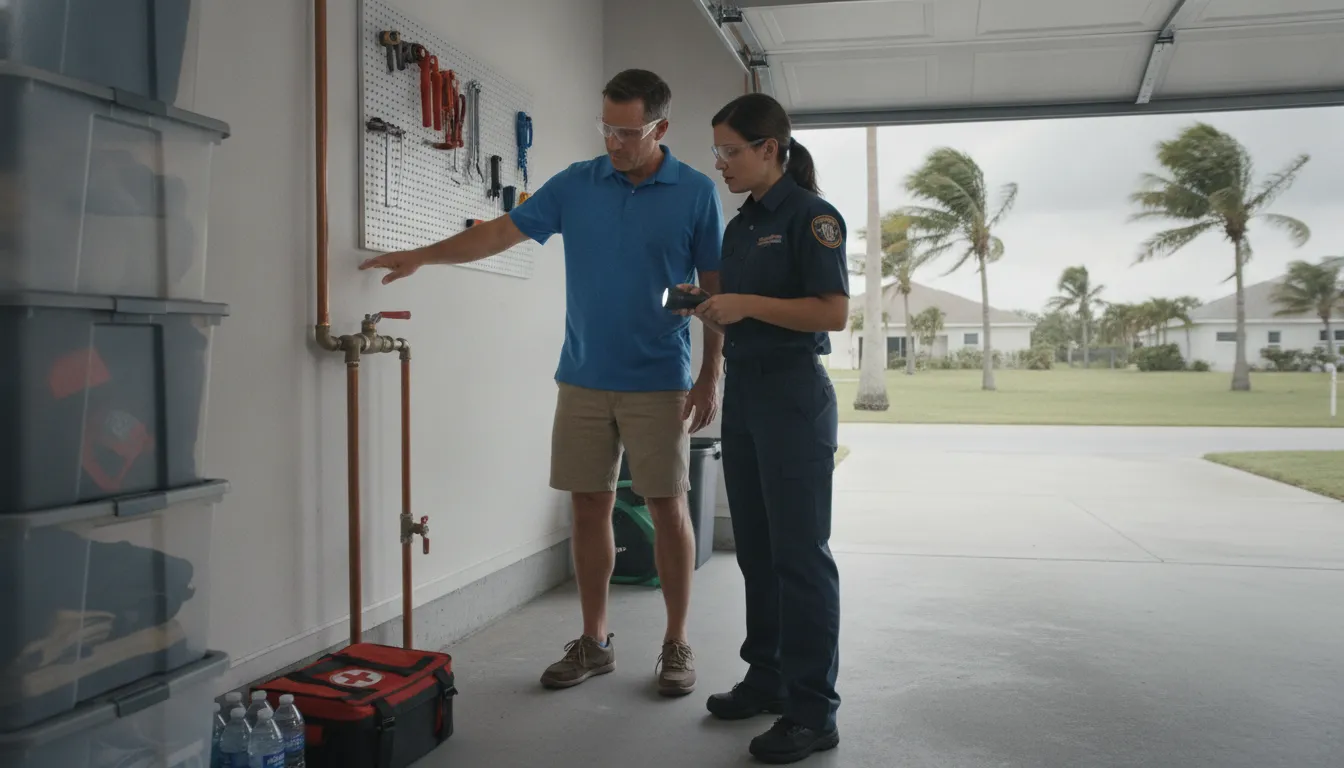
You must find your main water valve before a storm hits. This valve stops all water from entering your home. If a pipe bursts during a flood or high winds, turning this off can save your home from extra damage. You should know the location of your main water shut-off valve and make sure you can reach it easily in an emergency.
Finding your main valve
Most shut-off valves are near the front of the house where the water line enters. You might find it in a box in the ground near the street or on an outside wall. In some homes, it is near the water heater or in a garage. If you cannot find it, a plumber can help you during your hurricane plumbing preparation. Once you find it, use a bright tag to label the valve so every family member can see it.
Testing the water shutoff
It is best to test the valve before hurricane season starts on June 1. Turn the handle slowly to the right to close it. Then, turn on a faucet to see if the water stops flowing. If the valve is stuck or rusty, do not force it to move. Forcing a damaged valve can cause it to break and lead to a leak. If it will not turn, you should call for emergency plumbing help to fix it before the storm arrives.
When to close the valve
You should turn off water supplies before you evacuate during a hurricane or flood emergency. This step prevents water from spraying into your home if the pipes break. If you stay in your home, you may want to keep the water on for basic needs. But if you see signs of a leak or if the local area loses water pressure, you should close the valve. This keeps dirty water from being pulled back into your home pipes.
Protect drains and outdoor plumbing from storm debris
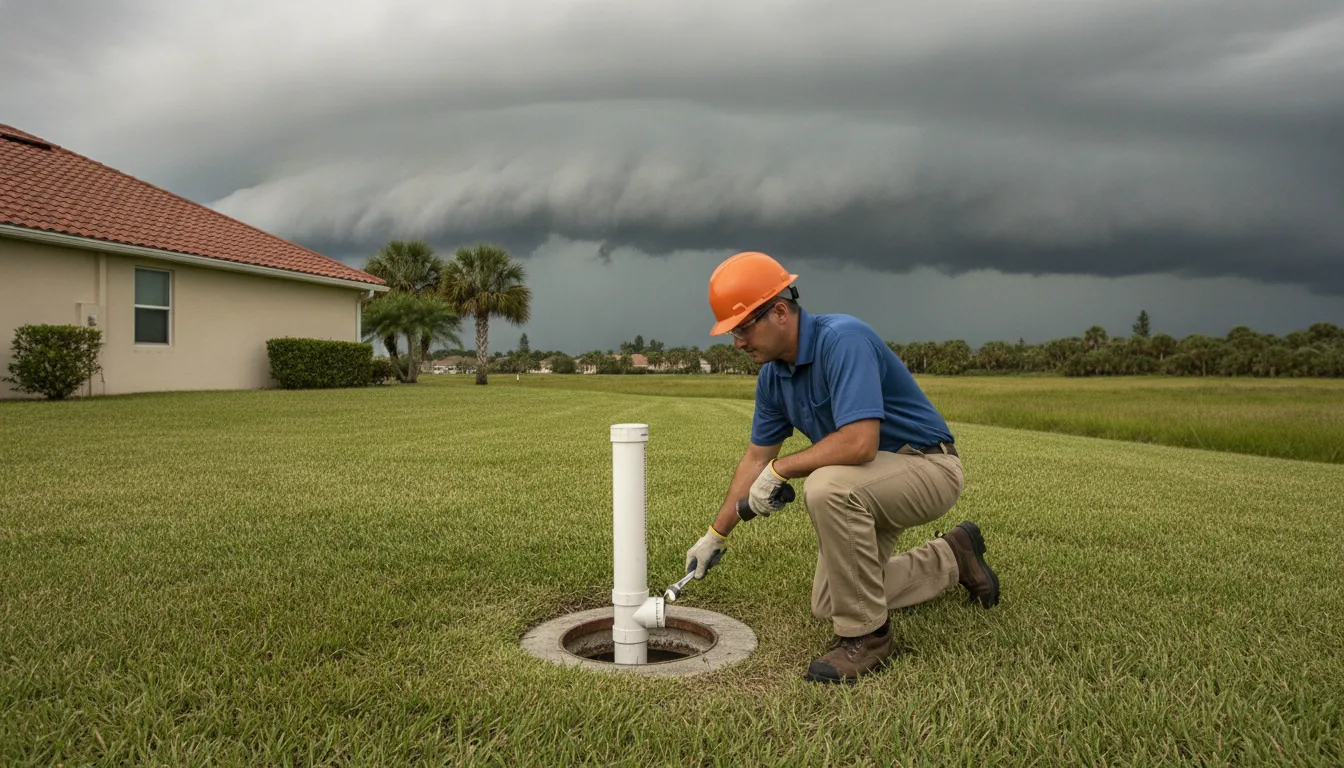
Early hurricane plumbing prep means looking at the spots outside your home. Many people board up windows but forget the pipes and drains. These parts take on heavy rain and wind. Storm debris like leaves and mud can clog these systems fast. This leads to pools of water and stress on your main lines. Keeping your outdoor plumbing clear is a vital step for storm safety.
Clear yard drains and debris
Heavy rain brings lots of loose debris. Leaves, twigs, and dirt wash into your yard drains. If these grates get covered, water cannot flow away from your house. This causes floods that can seep into your base. You should check your yard drains before a storm hits to make sure they are clear. If you find a deep clog, you may need an expert to clear it out.
Many people also mix up gutters with their plumbing system. Gutters catch water from your roof and move it away from the base. They are not part of your sewer lines, but they still affect your home. Clear all trash from your gutters to prevent roof damage. Make sure the water flows at least five feet away from your house. This keeps the soil from getting too wet. When soil is too wet, it can put a lot of weight on your pipes.
Secure outdoor fixtures and pipes
Outdoor hose taps and open pipes can break from flying trash or moving soil. You should take off all hoses and store them inside. If you have open pipes, think about using a thick wrap to cover them. This helps shield them from small hits during high winds. Holding these outdoor parts is a key part of your hurricane plumbing prep. It prevents leaks that could waste water and cost you money. It also keeps dirt from getting into your main water line.
Prevent sewage backups and flooding
One of the biggest risks during a storm is a sewage backup. Flood waters can fill the local sewer lines and push waste back into your home. You can help stop this by putting backflow valves or plugs in your drains. These tools let water flow out but block it from coming back in. The Centers for Disease Control and Prevention says these valves keep waste out of your home. If you must work near old flood water, always wear rubber boots and waterproof gloves for safety.
If your home has a sump pump, it is your first tool to fight rising water. These pumps work hard during a storm to keep your crawlspace dry. But storms often cause power to go out. You should set up a sump pump with backup power to keep it running. Testing your pump before June starts is a smart part of your hurricane plumbing prep. This makes sure the unit can handle the heavy rain that hits the Treasure Coast.
Plan for water and wastewater disruptions
A major storm can change how you get and use water in your home. Taking steps for hurricane plumbing preparation before the wind picks up helps keep your family safe. You must have a plan for clean water. You also need a way to handle waste if local systems fail. This guide shows how to manage these risks and when to call for help.
Manage your water supply
If you need to leave your home, you should turn off the main water valve to protect your house. This simple step can prevent flooding if a pipe breaks while you are away. For those on a private well, you should check your pump. If a flood covers the well head, you must treat the water before use. Always follow local alerts about boil water orders to stay safe.
You should also store enough clean water for drinking and cleaning. At least one gallon per person per day for three days is best. Keep this water in clean containers. If your supply is cut off, do not use water from your taps until officials say it is safe.
Protect your drain system
Heavy rain can overwhelm sewer lines and cause backups in your home. You can install backflow valves or plugs in your drains and toilets to block sewage. It is also wise to avoid pouring grease or food scraps down the drain before a storm. These items can clog pipes and make a backup more likely during a flood.
If you have a plumbing emergency like a sewer backup, you need fast help. Our team can check your sewer lines for roots or blocks that could cause trouble. Keeping your drains clear helps ensure they work when you need them most.
Respond to water issues
Knowing how to act during a water crisis is key to home safety. Use this table to find the best response for common storm issues.
| Situation | Safe Response | Call for Help |
|---|---|---|
| Low water pressure | Check for local main breaks | If you find a leak in your home |
| Water at well head | Stop using the well water | To test and treat the well |
| Sewer line backup | Do not flush toilets | When drains will not clear |
| Burst water pipe | Shut off the main valve | To repair the broken line |
Handle outdoor water needs
Keep your outdoor pipes safe by securing them before the storm. You should also install sump pumps with a battery backup to move water away from your home. Make sure your gutters and downspouts are clear. This helps rain flow away from your foundation. These steps help prevent water from entering your home during a hurricane.
What should you check after the storm?
Once local officials say it is safe, you must check your home for damage. High winds and heavy rain can cause hidden issues. A quick walk through your house can help you find leaks before they get worse. If you find standing water or see fallen power lines, do not enter the area. You should also keep a list of emergency plumbing numbers ready in case you find a major problem.
Check for visible leaks and low pressure
Walk through every room and look for damp spots on walls or ceilings. Check under sinks and near your toilets for any new puddles. If your water pressure feels lower than usual, there could be a break in your main line. It is also wise to check your water heater for any signs of tank damage or shifting. If you need help with a unit under warranty, warranty service experts can help you fix it fast.
Inspect drains and outdoor fixtures
Test your faucets and flush your toilets to ensure they drain properly. Slow drains or foul odors can signal a sewer backup or a clog in the vent stack. Outside, look at your hose bibs and any outdoor sinks to see if debris hit them. Check that your gutters and downspouts are clear so water moves away from your home. The CDC warns that you should avoid contact with floodwater because it can hold sewage or chemicals.
Listen for unusual noises
Sometimes you can hear a plumbing problem before you see it. Listen for hissing sounds behind walls, which may mean a pipe is leaking. Banging or rattling noises when you turn on a tap can also point to loose pipes or air in the lines. If you hear anything strange, turn off your main water valve to stop more damage. Taking these steps helps ensure your Stuart home plumbing stays in good shape after a storm.
When should you call a plumber after a hurricane?
After a hurricane ends, the danger to your home might still be there. Strong storms often leave behind hidden damage that you cannot see at first. You must check your home's pipes and drains before you start to use them again. If you see a leak or a backup, you should call a pro right away. Fast action can save your home from more harm and keep your family safe. These steps are a key part of your hurricane plumbing preparation plan for next time.
Watch for sewage backups
A sewer backup is a big health risk for everyone in your house. Floods can push dirt and mud into your sewer lines. This often leads to blocks or broken pipes deep in the ground. If you hear gurgling sounds from your pipes when you flush, stop using them. Also, watch for slow drains in your sinks, showers, or tubs. The Environmental Protection Agency (EPA) warns that you should not use your pipes if you suspect a broken sewer line. Wait for a plumber to test the system and check for blocks. If you have a backup, our team can help with emergency plumbing services to fix the issue and get things flowing again.
Check your water heater
Flood water can hurt the parts that make your water heater work. This includes the burner, the valves, and the tank itself. If water touched your tank, do not turn it on. Mud and silt from the storm can get inside the unit. This can cause a fire or a major leak that floods your home. A pro plumber should look at the tank to see if it is safe. They will check the valves and the pilot light to make sure they work. They will tell you if you need a fix or if you need to buy a new one. It is best to have an expert check it before you try to use hot water for a bath.
Find hidden leaks
Huge storms can move the ground around your house. This puts a lot of stress on the pipes that run through your home. This can lead to small leaks that are hard to find until they cause a big problem. Look at your walls and floors for new cracks or wet spots. These are signs of a hidden leak. You may also see that your water pressure is lower than it was before the storm. If your water smells or looks bad, do not drink it. The Centers for Disease Control and Prevention (CDC) tells people to check for leaks if the water seems dirty or off. Finding these leaks early stops mold from growing and saves your home's base from rot.
Frequently Asked Questions
How do you prepare plumbing for hurricane season?
You should start by finding your main water valve. Test it to make sure it works. Schedule a check with a pro to find weak spots. Clean your drains and check your sump pump. The CDC says you should also have back-up power for your sump pump. This helps manage extra water if the power goes out.
What plumbing issues should be repaired before a hurricane?
You must fix any leaks or clogs before the storm season starts. These small problems can turn into big ones when heavy rain hits. Have a plumber check your water heater and all outdoor fixtures. Make sure your pipes are secure. It is also wise to install backflow valves. The CDC states these valves stop sewage from coming back into your home during a flood.
Should I turn off the main water valve before a hurricane?
Yes, you should turn off the water before you leave your home. This helps protect your house from water damage if a pipe breaks during the storm. The CDC says you should also turn off your gas supply if you need to evacuate. Knowing how to shut off these valves quickly is a key part of your safety plan.
How can clearing gutters and downspouts prevent plumbing backups?
Full gutters cause water to pool near your home. This extra water can soak the ground and put pressure on your sewer lines. It might lead to leaks or a backup in your basement. Clearing debris lets water flow away from your house base. This simple task keeps your plumbing safe and helps prevent basement floods. Routine care is the best way to avoid storm damage.
Ready to protect your home from the next storm?
Storm season is a busy time for every one on the Treasure Coast. If you wait for a warning, local pros may be too busy to help you. Small leaks can turn into big floods when heavy rain hits your home. These issues lead to mold and high costs that you can avoid right now. By acting today, you ensure your house is ready for the wind and rain. Our team will check your valves and pumps to keep you safe and dry. Do not let a storm catch you off guard when help is easy to find today.
Ready to prepare? Call (772) 286-5872 to contact Plumbing by Bishop for service inquiries.