
Flooding from a single storm can cause more than $25,000 in home damage for Palm City families. Preparing your pipes and water heater early is the best way to keep your home dry and safe.
Call (772) 286-5872 to schedule your Palm City hurricane plumbing preparation today.
Palm City hurricane plumbing preparation involves securing your water heater, testing the main shut-off valve, and clearing outdoor drains. These steps help prevent sewage backups and pipe bursts when storm surges or heavy rains hit the Treasure Coast. Most homeowners should start by finding their main water valve and turning it clockwise to ensure it still moves freely. You should also check that your water heater is strapped to wall studs to meet local building codes. If your system is over eight years old, a professional inspection is the safest way to find hidden weak spots. Taking these steps before June 1 protects your property and ensures your family has clean water after the storm.
Waiting until a storm is near is often too late to find a reliable plumber or get the right supplies. Call Plumbing by Bishop today to inspect your system before the next big storm hits Palm City.
Why Does Palm City Hurricane Plumbing Preparation Matter for Local Homes?
Palm City sits in the Treasure Coast region where salt air and humidity accelerate rust on valves and pipes. A stuck shut-off valve or unsecured water heater can lead to costly flood damage during a hurricane. Preparing your plumbing before June 1 reduces the risk of pipe bursts, sewer backups, and expensive emergency repairs.
Hurricane season in Florida runs from June 1 through November 30. For folks in Palm City, this means many months of high wind and heavy rain. Most people think about shutters and food, but your pipes and drains need care too. Proper Palm City hurricane plumbing prep helps keep your home safe when the storm hits the Treasure Coast.
The Cost of Being Unprepared
Floods can cause a lot of harm to a house. Even a small amount of water can ruin floors and walls. FEMA reports that the average flood claim exceeds $25,000. Many of these costs come from pipe breaks or sewer backups that happen during a storm. If you do not prep your system now, you could face big bills later. When rain falls fast, it puts a lot of stress on your drains. If your pipes are weak or clogged, the water has nowhere to go. It can back up into your sinks and tubs. This mess is hard to clean and can cause health risks. Checking your system before the winds start is the best way to avoid these problems.
Local Risks for Palm City Homes
Homes in Palm City face special risks because of our humid air and salt exposure. These conditions cause metal fittings to rust faster than in drier inland areas. This rust makes pipes and valves weak. During a hurricane, high winds can also shake outdoor pipes or blow debris into your drains. You need to know how to protect your Palm City home from these local threats. If your main water valve is rusty, you might not be able to turn it off when you need to. A stuck valve can lead to a flood in your home if a pipe breaks during the storm. We suggest checking every valve and pipe well before June.
Your Local Plumbing Pros
Plumbing by Bishop has helped folks in Martin County since 1983. We know the unique needs of our area. Our team is known as “The Cleanest Plumbers in the Business” because we keep your home neat while we work. We want to help you get your home ready for the next big storm. Our staff members are all background-checked for your peace of mind. We use a flat-rate price plan, so you know the cost before we start. This means you pay for the job, not by the hour. With a one-year guarantee on our work, you can trust that your system is in good hands.
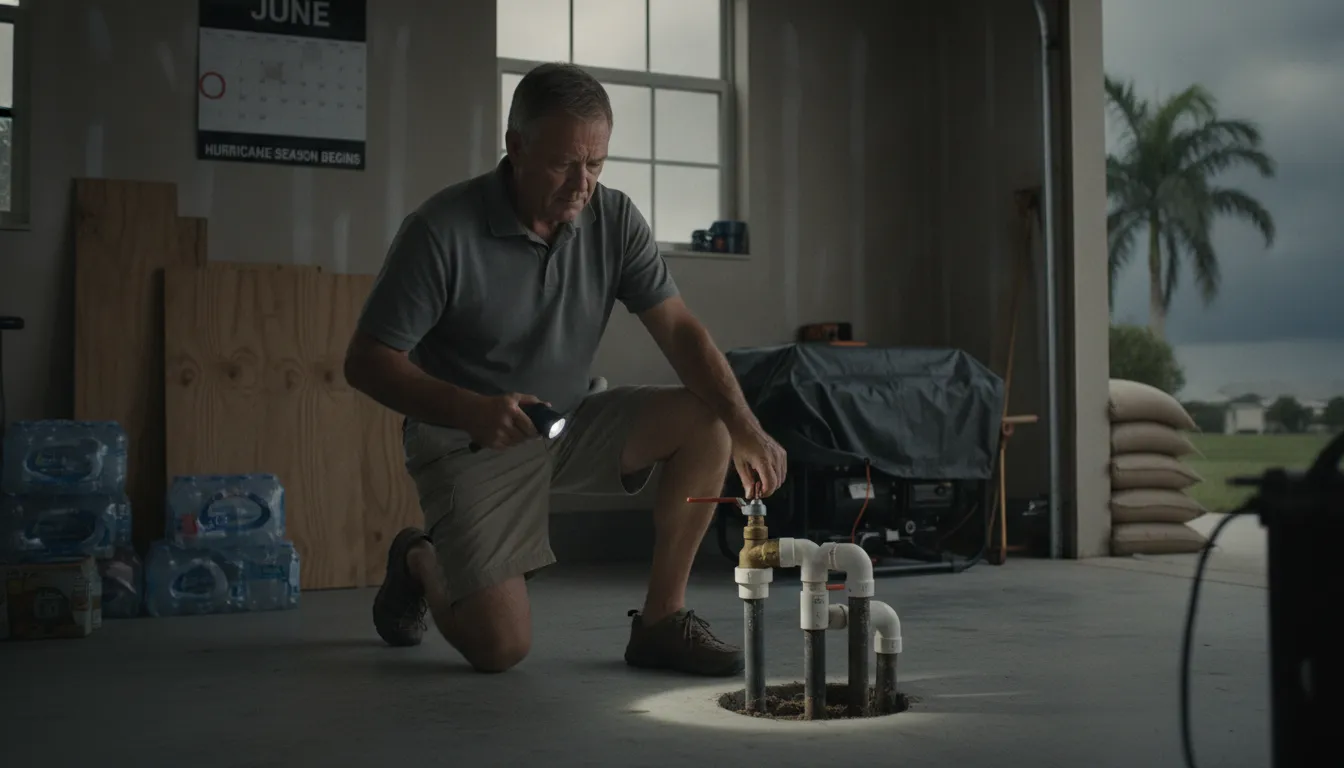
How to Locate and Test Your Main Water Shut-Off Valve
Your main water shut-off valve is typically in the garage near the water heater. In a ground-level box near the street, or on an exterior wall where the water line enters the home. Testing it before June ensures you can stop the water flow quickly if a pipe bursts during a storm.
The single most important part of Palm City hurricane plumbing preparation is finding your main water shut-off. If a storm breaks a pipe, you must stop the flow fast to prevent flood damage. FEMA notes that just one inch of flood water can cause over $25,000 in home damage. Closing this valve protects your house from big water leaks if a pipe bursts during high winds.
Common Valve Locations
Most homes in Martin County have the main valve in one of three spots. Check your garage first, as it is often near the water heater. If you do not find it there, look for a ground-level box near the front of your property. These boxes are usually plastic or concrete and sit flush with the grass. A third common spot is on an outer wall where the main water line enters the home.
Step-by-Step Testing Guide
You should test the valve well before storm season starts. A stuck or broken valve will not help you during a real crisis. Follow these steps to make sure your full-service plumbing company has the system ready for a storm.
- Find the valve handle. Look for a round wheel or a lever handle on the main line.- Turn the handle. Turn round wheel handles clockwise until they stop. For lever handles, push the lever so it is at a right angle to the pipe.- Check the water flow. Turn on a kitchen or bath faucet to see if the water stops. The flow should die down to a drip within a few seconds.- Open the valve back up. Turn the handle the other way to restore flow. Check your faucets again to make sure everything works as it should.- Look for leaks. Watch the valve for a minute after you turn it back on. Make sure no water drips from the handle or the pipe joints.### What to Do If the Valve Is Stuck If the valve handle will not budge, do not force it with a wrench. Too much force can snap the stem and cause a big leak right now. A stuck or rusty valve is a sign that you need a pro to swap it for a new one before the next storm.
How to Protect Your Water Heater from Hurricane Damage
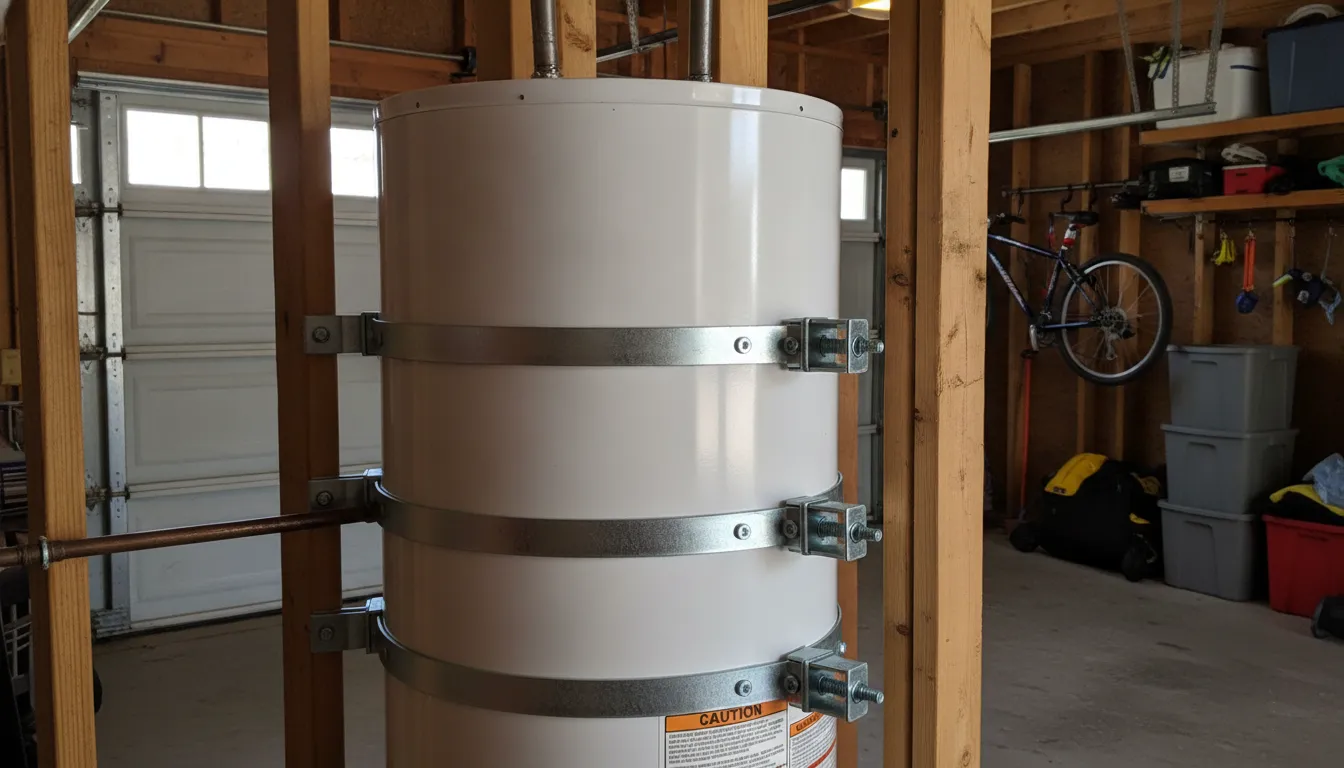
Water heaters in Palm City garages face rust from salt air and risk of tipping during storms. Check for rust at the base, confirm the tank is strapped to wall studs, and learn how to shut it off safely before the storm arrives.
Your water heater is a key part of your home. In Palm City, these units often sit in the garage. There, they face Florida humidity and salt air. These forces can cause rust and wear over time. Taking a few small steps now can keep your unit safe when a storm hits.
Check for Rust and Stability
Start by looking at the base of your tank for rust or pooling water. Salt air can eat through metal and cause leaks. If you find rust, you may need a full-service plumbing company to check the unit. You should also test the T&P relief valve to make sure it does not drip.
Florida building code often requires strapping your tank to wall studs. This keeps the unit from tipping over if your home shifts or floods. High winds can cause vibrations that pull pipes loose. Making sure your tank is secure can prevent a flood in your garage.
Turn Off the System Before the Storm
If you shut off your main water line, you must also turn off your water heater. A heater that stays on without water can burn out. For gas units, turn the dial to the pilot or off mode. For electric units, flip the switch at your breaker panel. This quick move helps save the life of your unit.
Plan for a New Unit If Needed
If your tank is over eight years old, it may be time for a new one. Older tanks are more likely to fail under the stress of a storm. A fresh unit will give you peace of mind when the winds pick up. Local pros can help you find a model that fits your Palm City home well.
What Should You Do with Outdoor Plumbing Before a Storm?
Disconnect and store garden hoses, install spigot covers, check backflow preventers, clear gutters and drains, and lower your pool water level by one foot. These steps prevent wind-blown debris from damaging fixtures and reduce flood risk around your foundation.
Outdoor fixtures often face the worst of a storm. High winds and floods can turn a loose pipe into a big repair. Taking a few steps to secure these items now will protect your home and prevent water damage. As a full-service plumbing company, we suggest you check your yard and exterior walls as part of your Palm City hurricane plumbing preparation.
Secure Hoses and Spigots
A garden hose might seem safe, but it can cause damage in a storm. High winds can pick up a hose and whip it against your walls or windows. This force can also snap the metal fittings off your house. Before the storm hits, disconnect all hoses, drain them, and store them in a shed or garage. Once the hoses are put away, install foam covers on your spigots. These covers shield the valve from wind and rain.
Check Backflow Preventers
Many homes in Florida use backflow preventers to keep contaminated water out of the clean supply. These devices are often located near the main water line. During a hurricane, floodwaters can change the pressure in the ground. If your backflow preventer is loose or damaged, it could let contaminants enter your Palm City home. Check that your backflow preventer is securely mounted and functioning properly.
Manage Drainage and Pool Levels
Heavy rain needs a clear path to move away from your house. Leaves and twigs can clog your gutters and downspouts. If water pools near your walls, it can leak into your home or shift your pipes. Take time to clear all drains and gutters before the rain starts. If you have a pool, lower the water level by about one foot to leave room for rainfall and prevent overflow into your yard.
How to Test Sump Pumps and Backup Systems
Test your sump pump by pouring a bucket of water into the pit to confirm the float switch activates the motor. Check the battery backup if it is more than two years old, and clear the discharge line of debris. A working sump pump is your last defense against flood damage during a hurricane.
Your sump pump is your last line of defense during a big storm. If the pump fails, your home could face extensive water damage. As FEMA reports, one inch of water can cost over $25,000. Checking your unit now helps you stay ready for the heavy rains of a Florida hurricane.
The Bucket Test
A bucket test is the best way to see if your pump works. You need to know that the unit will start and stop when it should. If the pump stays off, water can fill your crawlspace or basement fast. This simple check takes just a few minutes but gives you peace of mind.
- Look into the pit and clear out any dirt or debris.- Fill a large bucket with water and pour it into the pit slowly.- Watch the float switch to see if it moves up and starts the motor.- Make sure the pump pushes the water out and then shuts off.- Go outside to find the discharge line and check that water flows away from your home.### Battery and Discharge Line Care Most storms in Palm City cause power outages that can last for days. A battery backup unit is the only way your pump will work if the grid fails. If your battery is more than two years old, replace it before the storm season begins. Old batteries often fail when they are needed most.
As a full-service plumbing company, we see many pumps fail due to blocked discharge lines. Check your outdoor pipe for mulch, dirt, or grass that might block the flow. A blocked line can cause water to back up and flood your home even if the pump is running. You can also call us to inspect your system and test the battery health.
Risks of Water-Powered Backup Systems
Some sump pumps run on city water pressure rather than electricity. These units do not need a battery to operate. However, they are often unreliable during a hurricane. City water pressure can drop quickly if a main water line breaks during the storm. If the pressure falls too low, the pump will not work at all. Battery-powered backups are a safer choice for your Palm City hurricane plumbing preparation plan.
What to Do After the Hurricane Passes
After the storm, check for visible leaks, listen for running water, and do not turn your water back on until you have inspected for damage. Follow local boil-water notices and have a professional inspect your water heater before restarting it.
Once the storm clears, your first goal is safety. Check your home for signs of damage before you turn your water back on. Floods and high winds can shift pipes or break lines deep in the soil. If you see pools of water in your yard, you may have a broken main line. You should also watch for low water pressure or a change in water color. These are signs of line damage that need help from emergency plumbing services right away.
Check for Water Safety
Do not drink tap water until local authorities confirm it is safe. Even if the water looks clear, it could contain contaminants from storm runoff. Follow all boil-water notices from Martin County or the city of Palm City. Per CDC guidelines, bring water to a full rolling boil for one minute to kill harmful bacteria. Use only bottled or boiled water for drinking, cooking, and brushing your teeth until the advisory is lifted.
Inspect Your Water Heater
If you turned off your water heater before the storm, do not turn it back on until you check the tank for damage. Look for leaks around the base and pipe connections. If you have a gas unit and smell gas, do not touch any switches. Leave your home immediately and call your gas company. For electric units, make sure the area is completely dry before flipping the breaker. It is wise to have a full-service plumbing company inspect your system to confirm it is safe to use.
Watch for Sewer Issues
Heavy rain can overwhelm city sewer lines. If you see water rising through floor drains or toilets that will not flush, stop using water immediately. This could mean the sewer main is full or blocked. Using more water could cause a backup into your home. Wait for flood water to recede before using your drains again. If the problem persists, a professional should check your main drain line for clogs or breaks caused by the storm.
Can You Prevent Sewer Backup During a Hurricane?
A backwater valve is the most effective way to prevent sewage from entering your home during a hurricane. Combine it with a working sump pump and annual drain inspections to protect your Palm City home from storm-related sewer backups.
Heavy rain from a hurricane can quickly overwhelm local sewer lines. In Palm City, floodwaters often mix with waste. This creates a backflow that can enter your Palm City home through floor drains or toilets. This is more than just a mess. Floodwaters can carry harmful bacteria. Your Palm City hurricane plumbing preparation should include steps to keep this waste out of your house.
Install a Backwater Valve
A backwater valve is a device that lets water flow out of your home but stops it from coming back in. It has a flap that closes when it senses water moving in the wrong direction. This is your best protection against a sewer backup during a storm. If you live in a low-lying area, a backwater valve can save you from expensive cleanup costs. It is much better to stop the water at the main line than to clean up a flooded basement or living area.
Maintain Your Sump Pump
Your sump pump plays a big role in keeping water away from your foundation. If water levels rise too fast, it puts pressure on your sewer lines. A working pump helps move that water away from your home. Test your pump before the storm by pouring a bucket of water into the pit to confirm it activates. Since power often goes out during a storm, check your battery backup. Replace it if it is more than two years old.
Backflow Prevention Methods Compared
Homeowners have several options to prevent sewer water from entering their homes. Some are simple DIY solutions. Others require professional installation. Here is how they compare.
| Method | How It Works | Maintenance | Effectiveness |
|---|---|---|---|
| Manual Plug | Manually seals the drain opening. | None required. | Low |
| Backwater Valve | Automatic flap closes on reverse flow. | Annual inspection. | High |
| Check Valve | One-way flow mechanism. | Check before each storm. | Medium |
| Sump Pump | Pumps groundwater away from foundation. | Test battery before season. | High |
Spotting Signs of Sewer Line Trouble
Inspect your sewer lines for problems before hurricane season arrives. If your drains gurgle or emit a sulfur smell (like rotten eggs), you may have a blockage. Tree roots often grow into underground pipes and make backups more likely during heavy rain. A professional can use a camera to inspect your pipes and identify issues. Scheduling a quick inspection from the cleanest plumbers in the business is a smart part of your Palm City hurricane plumbing preparation plan.
Frequently Asked Questions
Should I fill my bathtub with water before a hurricane?
Yes. Filling your bathtub provides a large supply of water for flushing toilets if the main water lines break. This water is not for drinking, but it helps maintain basic sanitation if the pumps stop working. Keep the water clean by scrubbing the tub first and covering it with a lid or plastic sheet.
How do I protect my swimming pool plumbing during a hurricane?
Lower your pool water level by about one foot before the storm arrives to prevent overflow. Turn off the power to your pool pump and wrap the motor in thick plastic to shield it from rain and debris. Remove or secure any loose pool equipment such as cleaners, ladders, and covers.
What should I do if my main water shut-off valve is stuck?
Do not force a stuck valve with tools or excessive force. You could break the pipe and cause a major leak inside your home. A stuck valve typically means rust or mineral buildup has seized the mechanism. Call a licensed plumber to replace the valve before hurricane season starts so you can quickly shut off the water if a pipe breaks.
When is the best time to start hurricane plumbing preparation?
Start in early spring, well before hurricane season begins on June 1. Beginning early gives you time to identify and fix small issues before they become emergencies. If you wait until a storm is approaching, most plumbing companies will already be booked with emergency calls. Early preparation is the most effective way to protect your Palm City home from storm-related water damage.
Ready to secure your Palm City home before the storm?
Waiting until a hurricane threatens your Palm City home can lead to costly water damage and broken pipes. An expert inspection now helps prevent flooding and keeps your family safe while the weather is still clear. If you skip these steps, a small leak could turn into a major mess when heavy rain and high winds arrive. Our team knows how to spot weak points in your water heater, shut-off valve, and drainage system. We help you make sure your system is ready for the stress of a big storm. Taking action today ensures you are first in line before our schedule fills with emergency calls. It is much better to have peace of mind now than to deal with a plumbing disaster in the dark.
Call (772) 286-5872 to schedule your hurricane plumbing preparation today. Our background-checked technicians will inspect your system from the main shut-off to the sump pump. Flat-rate pricing means you know the cost before we start, and every job comes with a one-year guarantee. Do not wait until the storm is on the radar. Contact us online or call now to get your Palm City home ready for hurricane season.