
A sudden spike in your monthly water bill often signals a hidden plumbing disaster beneath your feet. For Treasure Coast homeowners with concrete slab foundations, this quiet issue can quickly turn into a costly hazard. Finding and fixing a water line leak early is the only way to protect your property from shifting and cracking.
Call Plumbing by Bishop at (772) 286-5872 to schedule professional slab leak detection and repair today.
Professional slab leak repair resolves water line breaks that occur beneath a home's concrete foundation. When water lines under the concrete slab corrode, shift, or burst, they release pressurized water that can wash away supporting soil and weaken the entire structure. Expert plumbers use specialized electronic equipment to find the exact location of the leak without tearing up your floors. Once found, they fix the pipe using methods like spot repairs, pipe rerouting, or epoxy pipe lining to secure your home.
Ignoring a hidden water leak under your concrete foundation can lead to major structural cracks and costly mold growth. To keep your home safe and dry, you need to understand the early signs and options for fixing this problem. Let us look at what a slab leak is and why it matters so you can spot the warning signs and protect your home.
What Is a Slab Leak and Why Does It Matter?
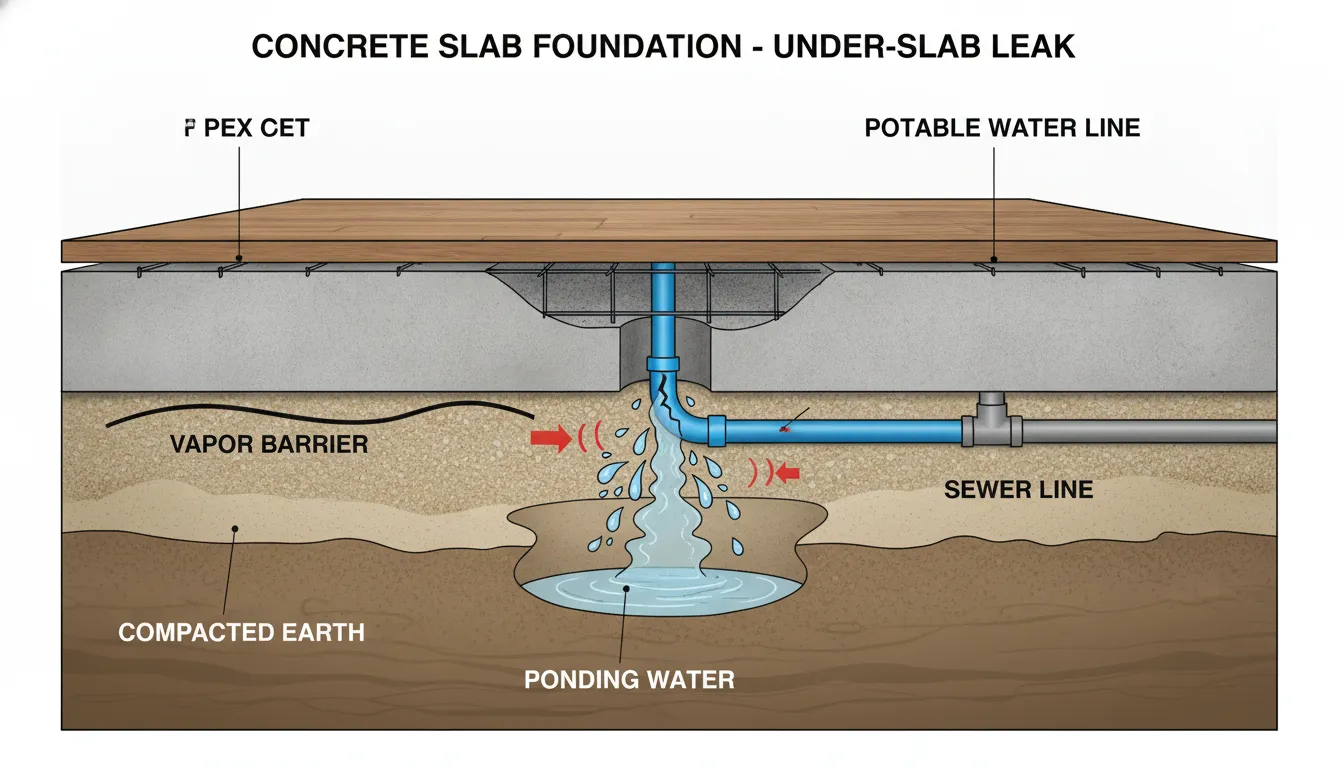
A slab leak is a break in a water pipe that runs beneath your concrete slab foundation. When this happens, pressurized water escapes into the ground below your home, washing away supporting soil and putting the entire structure at risk. In Florida, where concrete slab foundations are the standard, slab leaks are a common and serious concern for homeowners across the Treasure Coast.
A slab leak is a serious plumbing problem that occurs deep beneath your home. It happens when water pipes installed under your concrete foundation develop a breach or a break. Because these pipes are buried beneath thick concrete, a small pipe leak can quickly become a major issue. Many homes in Florida rely on concrete slab foundations, which makes this problem a common concern for local property owners. Plumbing by Bishop's service team has extensive experience identifying and resolving slab leak issues throughout Martin and St. Lucie counties.
How Water Under Your Foundation Damages Your Home
When a pipe breaks under your home, escaping water has nowhere to go. It begins to pool beneath the concrete. Over time, this water undermines the structural integrity of your foundation. The constant pressure and shifting soil can cause the concrete slab to crack or shift, leading to costly damage to your walls and floors. If you suspect a problem, prompt slab leak repair can prevent these severe structural issues.
The chain reaction of damage from a slab leak often includes:
- Foundation settlement as soil washes away beneath the slab
- Cracks in interior drywall, tile floors, and exterior masonry
- Doors and windows that stick or refuse to close properly
- Separation between baseboards and flooring materials
- Uneven or sloping floors that indicate structural movement
The Surprising Prevalence of Concrete Slab Foundations
Concrete slab foundations are extremely common in modern home construction. In fact, data from the Survey of Construction shows that 63.2% of newly constructed single-family homes in 2019 were built on concrete slab foundations. In coastal areas like the Treasure Coast, slabs are the standard choice due to our high water table and sandy soil. This means the majority of local homes are vulnerable to underground pipe issues.
Hidden Health Risks: Moisture and Mold
Beyond structural cracking, water pooling under your concrete slab can seep upward into your home. This continuous moisture creates a perfect environment for mold and mildew to grow. Undetected slab leaks breed mold that poses real health risks to your family. Breathing in mold spores can trigger allergies and breathing problems, making fast detection and repair vital for your home's air quality. Our licensed and background-checked technicians arrive ready to identify and resolve the problem before it affects your family's health.
What Are the Warning Signs of a Slab Leak?
Slab leaks often go unnoticed for weeks because the water stays hidden beneath concrete. The most common warning signs include a sudden high water bill, the sound of running water when all fixtures are off, warm spots on the floor from a hot water line leak, and visible cracks in walls or foundation. Catching these signs early is the only way to prevent costly structural damage to your home.
A water leak under your concrete slab can go unseen for weeks. Finding the issue early is the best way to prevent severe water damage to your home. Concrete slab foundations are common in Florida. Local homeowners should watch for these key warning signs to know when they need professional slab leak repair services:
- Sudden high water bills — An unexplained spike in your monthly utility bill is often the first clue that water is escaping beneath your home. If your daily habits have not changed but your water costs keep rising, a hidden leak may be the culprit.
- The sound of running water — You should never hear water moving through your pipes when all of your faucets, showers, and appliances are shut off. Hearing a constant hissing, rushing, or gurgling noise when your home is quiet indicates that water is still flowing somewhere.
- Warm spots on your floors — When a hot water line breaks under your slab, heat rises through the concrete and into your flooring. You might notice warm areas underfoot when walking across tile, laminate, or carpeted floors.
- Cracks in your foundation or walls — As water seeps out of a broken pipe, it can wash away the supporting soil beneath your house. This often causes visible cracks in your concrete slab, baseboards, or drywall over time.
- Musty odors and mold growth — Excess moisture under your floors will eventually rise and seep into your drywall and carpet padding. If you notice a musty smell that will not go away, you may have an undetected water leak.
- Low water pressure — When a pipe under your slab breaks, some of the water meant for your fixtures escapes into the ground. A sudden drop in water pressure throughout your entire home could point to a broken plumbing line under your concrete foundation.
What Causes Slab Leaks in Concrete Foundations?
Slab leaks develop from three main causes: pipe corrosion over time, soil shifting beneath the foundation, and high water pressure that wears down pipe walls. In Florida, clay-heavy soils that expand and contract with moisture changes put constant stress on underground pipes. Understanding these causes helps homeowners take preventive steps and recognize when to call a professional.
A concrete foundation provides a strong base for your home. But the water lines running under that heavy concrete can still break down over time. When these hidden pipes fail, they create a major plumbing issue. Understanding what triggers these problems is the first step toward getting slab leak repair before your foundation suffers major damage.
Pipe Corrosion and Chemical Reactions
Pipe breakdown is a leading cause of foundation water leaks. Many older homes on the Treasure Coast use copper water lines. Over time, copper reacts with the minerals in the water and the surrounding soil. This chemical process slowly eats away at the metal. It creates pinhole leaks that grow larger under constant water flow. Grounding electrical systems to copper lines can also speed up this metal loss through electrolysis. Regular plumbing maintenance can help identify early signs of pipe corrosion before a full failure occurs.
Soil Shifting and Florida Clay
Florida is known for sandy soil, but many local areas also contain heavy clay. This clay soil expands when it is wet and shrinks when it dries. This constant movement puts physical stress on your concrete slab. As the ground shifts, the heavy concrete slab can bend or crack. This shifting puts extreme pressure on the water lines buried below the surface. This stress can easily bend, kink, or break older pipes, leading to water loss under your home.
High Water Pressure and Poor Construction
Water flowing at a very high speed can damage the inside of your pipes. Water pressure that stays too high wears down the metal walls, especially at bends and joints. Poor installation also plays a big role in early pipe failure. If workers dropped rocks on the pipes or kinked them during construction, those weak spots will eventually burst. Once a pipe leaks, the escaping water washes away the supporting soil, which makes the foundation settle and crack even more.
How Are Slab Leaks Detected?
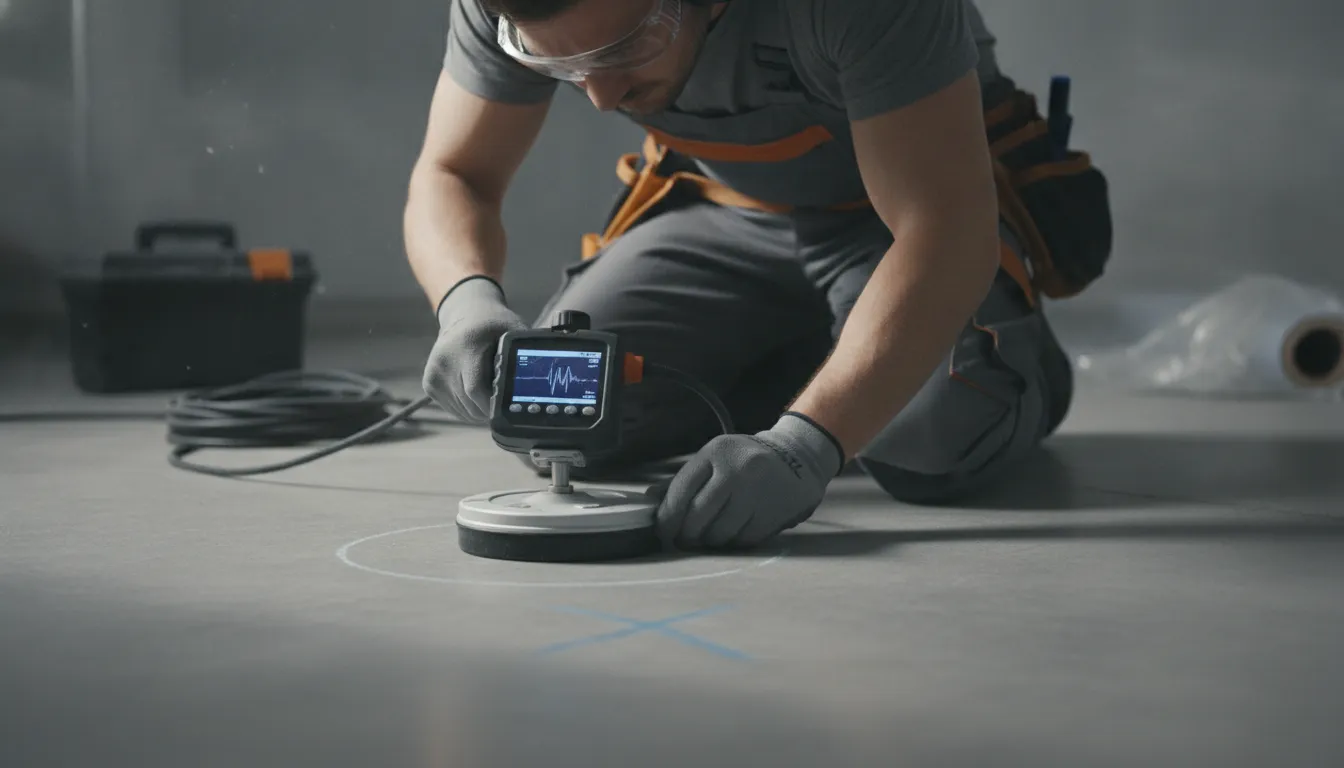
Professional slab leak detection uses non-invasive electronic equipment to find the exact location of a buried pipe break without breaking concrete. Plumbers use ground microphones to listen for escaping water, infrared cameras to detect hot water heat signatures, and hydrostatic pressure testing to confirm a leak exists. These methods save homeowners from unnecessary demolition and costly floor repairs.
Finding a water pipe leak beneath a thick concrete foundation is a major challenge for homeowners on the Treasure Coast. Since you cannot see these buried pipes, you must rely on advanced methods to find the exact point of the break. Attempting to spot a leak on your own by breaking apart concrete or guessing its spot is highly risky and often leads to costly property damage.
The Danger of DIY Detection
Some homeowners try to locate water leaks by renting basic tools or digging up their floors. This approach rarely works and can weaken your concrete foundation. Without professional systems, you might tear up your tile or wood floors in the wrong spot, which increases your total repair bill. Professional plumbers use non-invasive gear to find the leak without harming your living space.
Advanced Electronic Systems
Specialists use electronic leak detection systems to listen for the sound of escaping water. These systems use highly sensitive ground microphones to pick up the high-frequency hissing or gurgling sounds made by a cracked pipe. By placing the sensor at various spots on your floor, a technician can map the exact location of the pipe break beneath the concrete.
Thermal Imaging Technology
Thermal imaging is another powerful way to find hot water line leaks under concrete slab foundations. Technicians use infrared cameras to scan your floors for unusual heat patterns. When hot water escapes from a buried pipe, it warms the surrounding concrete and creates a clear heat signature on the camera screen. This method allows plumbers to see through solid flooring and find the warm spot without drilling a single hole.
Hydrostatic Pressure Testing
To confirm a system breach, technicians often run a hydrostatic pressure test. During this process, plumbers isolate your home plumbing lines and apply test pressure to the pipes. By watching the pressure gauge, they can determine if water is escaping from the system. If the pressure drops, it proves a leak is active.
Why Professional Equipment Matters
High-grade detection systems are essential for protecting the concrete foundations common in Martin and St. Lucie counties. Professional detection ensures that plumbers only cut into your floor where the leak actually exists. Once the precise location is found, specialists can decide whether to use pipe rerouting or tunneling. Contact Plumbing by Bishop to schedule a prompt inspection with advanced detection equipment.
What Are the Slab Leak Repair Methods and Costs?
There are three main slab leak repair methods: pipe rerouting, epoxy pipe lining, and slab tunneling. Pipe rerouting bypasses the broken section through walls or attic, epoxy lining seals the leak from inside the pipe, and slab tunneling reaches the pipe from outside the home. Costs typically range from $630 to $4,400 depending on the method and leak location.
When you face a slab leak repair, finding the right fix is key to protecting your home. There are three main ways to repair pipes under a concrete floor. Plumbers can tunnel under the slab, run new pipes around the foundation, or line the old pipes with epoxy. The best choice depends on where the leak is and how much damage your home has.
Common Repair Options
The first fix is pipe rerouting. Plumbers run a new line through your walls or attic to bypass the broken pipe under the concrete. This method avoids breaking your floors. The second fix is epoxy pipe lining. Technicians coat the inside of your worn pipe with a strong resin. This seals the leak from within. The third fix is slab tunneling. Crews dig under your concrete foundation from outside to reach the broken line. This option keeps your home clean because work stays outdoors.
Talk to our team today. Call (772) 286-5872 for a transparent, flat-rate quote on your slab leak repair.
What Does It Cost?
The price of slab leak repair varies. Homeowners can expect to pay between $630 and $4,400 for a professional fix, with most jobs costing an average of $2,300. These figures represent the standard industry range. If water damages your home, you may face extra costs for water cleanup. You can review detailed cost guides from industry sources like Angi or This Old House. To ensure pricing is clear, Plumbing by Bishop uses flat-rate pricing. This means you pay by the job rather than by the hour, so there are no surprises when the work is complete.
| Repair Method | Estimated Cost Range | Pros | Cons |
|---|---|---|---|
| Pipe Rerouting | $1,500 — $4,000 | Leaves concrete intact; fast install | Requires running lines through walls or attic |
| Epoxy Pipe Lining | $2,000 — $4,400 | Saves floors; minimal digging needed | Not suitable for collapsed pipes |
| Slab Tunneling | $3,000 — $4,400+ | Keeps interior work and mess outdoors | More labor; high cost for heavy digging |
Why Should Treasure Coast Homeowners Act Quickly on Slab Leaks?
Delaying slab leak repair can lead to foundation cracks, toxic mold growth, and skyrocketing water bills. A single hidden leak can waste thousands of gallons of water daily while slowly undermining your home's concrete foundation. Homeowners in Martin and St. Lucie counties should act at the first warning sign to prevent expensive structural damage and protect their family's health.
A leak in a pipe beneath your home is a major issue that needs fast action. Delaying slab leak repair can lead to severe damage to your property and high bills. Homeowners in Martin and St. Lucie counties must understand how fast these issues grow when water runs unchecked under a concrete foundation.
Prevent Foundation Cracks and Soil Shifting
Water escaping from a broken pipe under a concrete slab has nowhere to go but into the surrounding ground. Over time, this constant flow washes away the dirt that supports your home. When the dirt washes away, the heavy concrete floor can drop, shift, or crack. This shifting can cause doors to stick, windows to jam, and walls to crack throughout your house.
Stop Toxic Mold and Mildew Growth
Florida is warm and wet, which makes it easy for mold to grow. When a pipe leaks under your floor, moisture rises through the concrete slab into your carpets, wood floors, and walls. This damp environment is perfect for mold spores. Moisture from undetected slab leaks can foster mold and mildew growth, which poses real health risks to people living in the home. Spores can get into your air ducts, leading to breathing issues, allergies, and bad odors that are very hard to clean.
Avoid Skyrocketing Water Bills and Utility Costs
A small hole in a water line can leak thousands of gallons of water every single day. Since the leak is hidden under thick concrete, you might not see any water, but you will see the cost on your monthly bill. The longer you wait to fix the pipe, the more money you throw away on wasted water. Acting fast helps you get the leak stopped before you face a massive utility bill.
Trust Local Professionals for Fast Help
When you suspect a leak under your slab, you need an experienced local team to find and fix it. Plumbing by Bishop has served Stuart, Port St. Lucie, and Hobe Sound with reliable service since 1983. Our background-checked and drug-tested technicians use advanced equipment to locate and fix leaks without destroying your home. We use transparent, flat-rate pricing so you pay by the job rather than by the hour. Contact us through our contact page or call our local office to protect your home today.
Ready to get started? Call (772) 286-5872 for a flat-rate slab leak repair consultation.
Frequently Asked Questions
Can a slab leak cause foundation failure?
Yes, an untreated slab leak can lead to total foundation failure. As water washes away supporting soil, the concrete slab loses its structural support. This creates uneven settling, which can cause the foundation to crack, sink, or shift. Over time, this can cause serious structural issues that require expensive foundation repairs alongside the plumbing fix.
Does homeowners insurance cover slab leak repair?
Many standard homeowners insurance policies cover the cost to access and repair a slab leak if the leak is sudden and accidental. However, policies rarely cover the cost of repairing the pipe itself. Coverage varies by provider, so it is best to check your specific policy. Plumbing by Bishop works with all major insurance providers and can provide detailed documentation for claims.
How long does slab leak repair take?
Most slab leak repairs take between one and three days from start to finish. Detection takes two to four hours, repair time varies based on the method used, and finish work such as patching concrete or repairing drywall extends the total time. Your plumber can give you a timeline once the exact method is chosen.
Can you hear a slab leak?
Yes, many slab leaks are audible. Homeowners often hear running water, hissing, or gurgling sounds even when all taps are turned off. The sound may be faint at first and easier to hear at night when the house is quiet. If you hear water running continuously, contact a plumber immediately for testing.
Do all slab leaks require breaking the concrete?
No, not all slab leaks require breaking concrete. Modern repair methods like pipe rerouting and epoxy pipe lining can fix the leak without cutting through your floors. However, some situations may still require spot access through the concrete. Your plumber will recommend the least invasive method that will effectively resolve the leak.