
Ignoring water heater failure signs Stuart FL owners miss can lead to a sudden and costly home flood. These common signals often show up months before a tank really bursts.
Call (772) 286-5872 now to schedule a water heater inspection with Plumbing by Bishop. Our team has served Stuart homeowners for over 43 years and can identify early failure signs before they turn into expensive repairs.
Spotting water heater failure signs Stuart FL owners should look for includes watching for rusty water, hearing loud popping noises, and checking for leaks near the tank base. Most tank units have an average lifespan of 10 to 15 years, but Stuart's hard water and salt air often cause units to fail much sooner. When inside sediment builds up, it makes heating harder and can cause the tank to rumble or even crack over time. If you notice changing water heat or find that your hot water runs out fast, your unit is likely nearing the end of its life. Catching these problems early allows for a planned replacement rather than a sudden repair after a major leak ruins your floors.
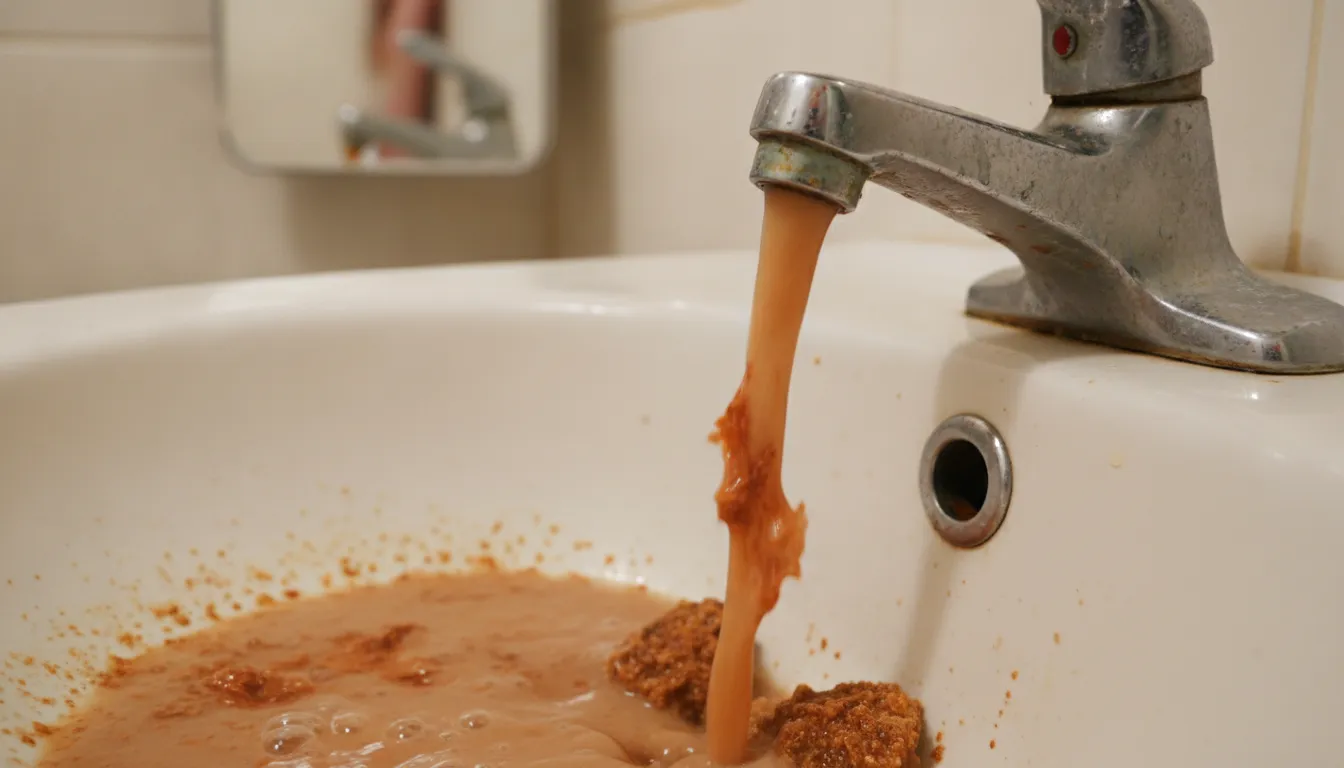
Rusty or discolored water is often the first major red flag that a water heater is failing from the inside out. Understanding this warning sign can help Stuart homeowners avoid emergency water heater failures and schedule a planned replacement instead.
Water Heater Failure Signs: What Are the First Signs of Water Heater Failure in Stuart, FL?
The earliest water heater failure signs Stuart FL homeowners watch for include rusty hot water, loud rumbling or popping sounds. Inconsistent water temperature, puddles near the tank base, and a unit that is more than 10 years old. Each of these warning signals points to a specific internal problem that a professional can diagnose during a routine inspection.
- Rusty or discolored hot water indicates the anode rod has worn out and the steel tank is corroding from the inside.
- Rumbling or popping noises mean sediment has built up at the bottom of the tank, trapping steam bubbles under a layer of mineral crust.
- Inconsistent water temperature or running out of hot water too fast suggests failed heating elements or a failing thermostat.
- Moisture or standing water around the base points to internal tank corrosion that has broken through the steel lining.
- Unit age over 10 years significantly increases the risk of sudden tank failure, especially in coastal Florida homes.
- Visible rust on the tank exterior or around pipe connections means corrosion has advanced beyond the inside of the unit.
Rusty or Discolored Hot Water: A Clear Warning Sign
Rusty or discolored hot water is often the first noticeable sign of internal tank corrosion. If your hot water comes out looking brown, yellow, or reddish but your cold water runs clear, your water heater tank is likely rusting from the inside out.
Most water heaters have a steel tank and a sacrificial anode rod. The rod attracts corrosive particles to protect the tank. When this rod wears out, those particles start eating away at the steel tank itself. According to Rheem, rusty water is a key sign of tank damage that should not be ignored.
Why Stuart Homes Face Higher Rust Risk
Living on the Treasure Coast brings unique challenges for plumbing systems. The mineral-rich water in our area accelerates corrosion inside your tank. This is why many homeowners in Stuart find their water heaters do not last as long as they might in other parts of the country. If you see discoloration only in your hot water, the source is almost certainly your heater. You may need water heater repair services to check the anode rod before the tank itself is damaged beyond repair.
How to Test Your Water Quality at Home
You can do a simple test to find where the rust is coming from. Turn on only the cold water taps in your home. If the cold water is clear but your hot water is rusty, the problem is inside your water heater. If both are rusty, the issue might be in your main supply lines. A professional plumbing inspection can give you a definitive answer. Our team checks for sediment and rust to determine if a simple fix can save your unit or if it is time for a replacement.
Strange Noises Coming From the Water Heater Tank
If you hear loud thumping, popping, or rumbling sounds from your utility closet, it is one of the clearest water heater failure signs Stuart FL homeowners encounter. These strange noises often start as a soft clicking but can grow into a deep rumble over time. High mineral content in our local water supply makes this issue especially common in Stuart homes.
What Causes the Popping Sound?
The main cause of these noises is sediment buildup at the bottom of the tank. As hard water is heated, minerals like calcium and lime settle out and form a thick layer of crust. When the burner or heating element kicks on, steam bubbles get trapped under this layer. These bubbles burst through the sediment, creating the popping or banging sound you hear.
Rheem states that unusual noises like popping or rumbling are common warning signs that your unit is struggling. This layer of scale does more than make noise. It acts as an insulator between the heating element and the water, forcing your heater to run longer and hotter to reach the right temperature.
The Risk of Tank Overheating
When sediment traps heat at the bottom of your tank, the metal can overheat and expand. This stress weakens the inner lining and can lead to tiny cracks. Over time, these cracks turn into major leaks that could flood your home. Regular water heater maintenance is the best way to prevent this damage. The CDC also notes that sediment inside the tank can create conditions for harmful bacteria like Legionella to grow if the water cannot reach safe temperatures.
Inconsistent Water Temperature or Running Out of Hot Water
One of the most frustrating water heater failure signs Stuart FL residents face is when showers turn cold too fast. You might notice the water stays lukewarm even with the knob turned to full heat. This change often starts small but gets worse as internal parts begin to fail.
Failing Heating Elements or Thermostats
Electric water heaters use two heating elements to warm the water. When one element fails, the tank can only heat half as much water. This leads to short showers and long recovery times. A broken thermostat can also cause the unit to shut off before the water reaches the right temperature. Our team at Plumbing by Bishop can check these parts to see if a simple fix is possible. We offer water heater repairs, sales, and service to keep your home running.
Sediment Buildup and Hot Water Loss
In Stuart, our water contains minerals that settle at the bottom of the tank over time. This layer of grit acts like a shield between the burner and the water, making the unit work much harder to heat the same volume. As the usable space inside the tank shrinks, you will find that you run out of hot water much faster than before. Heavy buildup can also trap heat at the base, causing metal fatigue that leads to cracks and leaks. The CDC recommends keeping water temperatures between 120 and 140 degrees Fahrenheit to prevent bacterial growth in the tank.
Water Leaks or Moisture Around the Heater Base
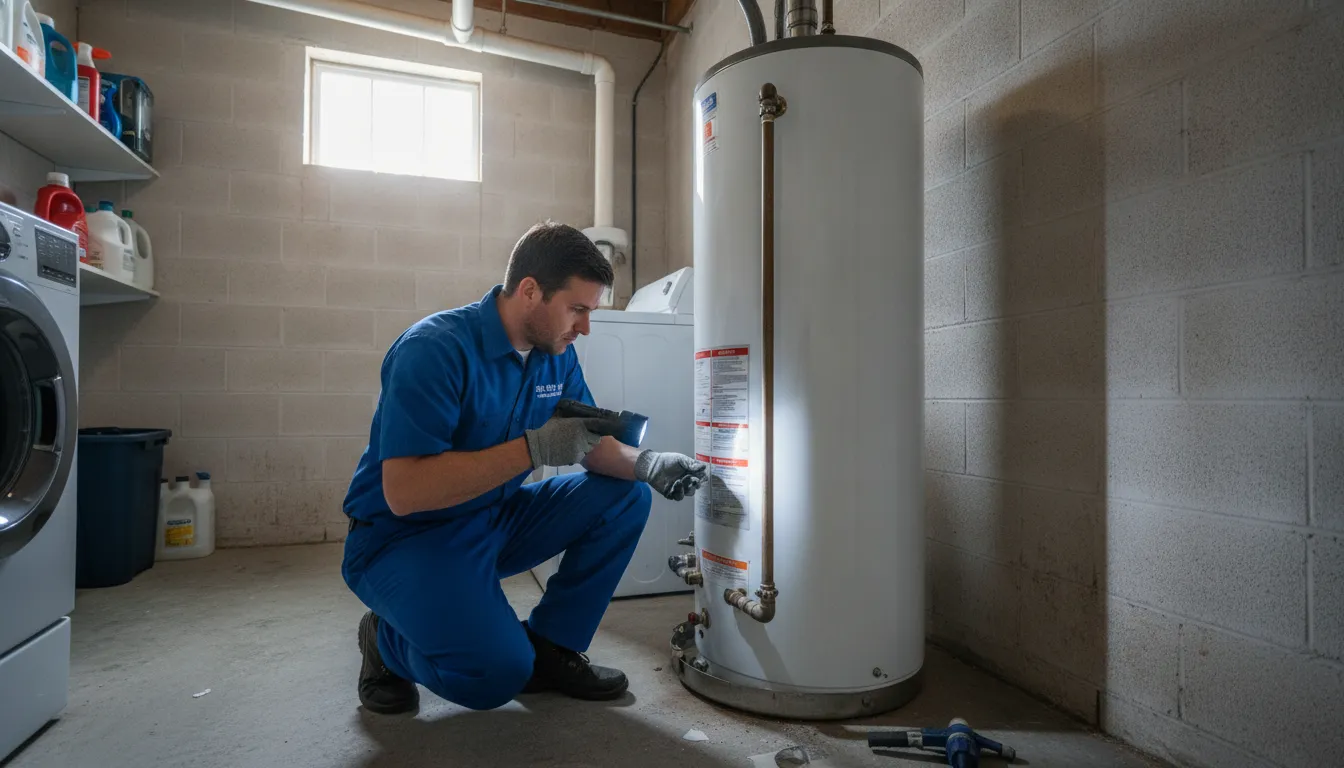
One of the most urgent water heater failure signs Stuart FL homeowners should watch for is standing water near the unit. Small puddles or damp spots at the bottom of your tank often point to internal corrosion that has broken through the steel lining. When the inner lining rusts through, it creates pinhole leaks that can quickly become major floods.
Valve Leaks Versus Tank Leaks
Sometimes the leak does not come from the tank itself. It may come from the pressure relief valve on the side of the unit. This valve opens to release excess heat and pressure. If the valve fails or gets stuck, water will drip down the side of the heater. A technician can check this valve to see if it needs a simple fix. However, if you see water coming from the bottom of the tank, the interior has likely corroded beyond repair. This is a clear signal that replacement is needed.
The Risk of Internal Corrosion
Internal rust is a common cause of leaks in Stuart homes. Over time, minerals in our local water eat away at the steel tank. You can often see rust on the outside of the tank or around the pipe connections. If you find rust and moisture together, call for water heater repair services right away. A leaking tank can damage your floors, walls, and personal belongings if not caught early. Check out our customer testimonials to see why Treasure Coast homeowners trust us with their plumbing needs.
How Old Is Your Water Heater? Check the 10-Year Rule
The age of your water heater is one of the best predictors of when it might fail. Most tank units have an average life of 10 to 15 years. If your heater is more than 10 years old, it is at high risk for a sudden break. Checking the age of your unit now helps you plan for a replacement before an emergency happens.
How to Find the Manufacture Date
You can find out how old your water heater is by looking at the label on the tank. Most manufacturers encode the date in the serial number. The first few digits typically show the month and year it was built. For example, a code like 0514 may mean it was made in May 2014. If the label is hard to read, search for the brand online to learn their date code. Knowing the age helps you stay ahead of potential failures.
Tankless Versus Tank Lifespan
Not all water heaters last the same amount of time. Standard tank units store hot water continuously, leading to gradual wear and rust. Tankless water heaters can last up to 20 years because they heat water only when needed. While they cost more upfront, they often last much longer than tank-style units. If your old tank is near the end of its service life, consider a tankless option for longer-lasting performance.
How Florida's Hard Water Accelerates Water Heater Failure
Living in Stuart means dealing with some of the hardest water in Florida. The high mineral content is a leading contributor to water heater failure signs in Stuart, FL. Over time, calcium and magnesium settle at the bottom of your tank, creating a thick layer of scale. This scale acts as an insulator between the heating element and the water, forcing your unit to work much harder.
The Impact of Mineral Scale and Sediment
As limescale builds up, it traps heat inside the tank wall. This often leads to overheating and early tank failure. In our local area, sediment from the city water supply combines with these minerals to create a thick sludge. According to the CDC, this buildup can create conditions for bacteria to grow if the water stays too cool. Hard water conditions can reduce a water heater's lifespan by two years or more.
Protecting Your Unit With Regular Maintenance
The best defense against hard water damage is routine care. We recommend flushing your tank once a year to remove sediment and scale before it hardens. This simple step helps extend the life of your system. During a flush, we also check the anode rod. If this rod is worn out, the minerals in our water will start corroding the tank itself. Our water heater maintenance program keeps your unit running efficiently year after year.
When to Repair vs. Replace Your Water Heater
Deciding between a repair and a full replacement depends on several factors. Our team helps Stuart homeowners make this choice with clear, honest guidance backed by our 43 years of experience in the Treasure Coast community.
| Factor | Repair Signs | Replace Signs |
|---|---|---|
| Unit Age | Under 8 years old | Over 12 years old |
| Leaks | Faulty T&P valve | Main tank leak |
| Heating | Bad element or thermostat | Severe rust or heavy sediment |
| Noises | Minor hums or pops | Heavy rumbling |
| Repair History | First major issue | Multiple breakdowns |
- When to repair: If your tank is under 8 years old and the problem is a single part, a repair is usually the best choice. Common fixes include replacing the thermostat, heating element, or T&P valve. We provide a one-year warranty on parts and labor for all repair work.
- When to replace: If your tank is over 12 years old, has visible rust on the exterior, or the tank itself is leaking, replacement is the safer and more cost-effective option. We offer flat-rate pricing on new units from top brands like Rheem, Ruud, and Bradford White.
- Health considerations: Older tanks with heavy sediment buildup can create conditions for bacteria like Legionella to grow, especially if the unit cannot maintain consistent high temperatures.
Learn more about our community involvement and why Stuart families have trusted us for generations. Every team member undergoes a thorough background check, so you can have confidence in the person working inside your home.
Frequently Asked Questions
How long do water heaters last in Stuart, Florida?
In Stuart, tank water heaters typically last between 10 and 15 years. Local hard water conditions can reduce this lifespan by two years or more without regular maintenance. Annual flushing and anode rod inspections help your system last longer. Plan for a replacement once your unit reaches the 10-year mark.
How can I tell if my water heater is about to burst?
Look for small leaks or moisture at the base of your tank. A bulging tank or rust on the outer shell are also major warning signs. If you see water pooling in the drain pan, the inner lining may have already failed. Routine checks as recommended by Rheem can help you catch these issues before a flood occurs.
Does hard water really affect water heater lifespan?
Yes, hard water is a leading cause of early water heater failure in Stuart homes. Minerals settle at the bottom of the tank and form a thick sediment layer. This buildup forces the heater to work harder and can cause overheating. This process can reduce the life of your heater by two years and leads to loud popping or rumbling noises.
Should I replace my water heater if it is over 10 years old?
If your water heater is more than 10 years old, you should begin planning for a new unit soon. While some units reach 15 years, the risk of tank failure grows significantly after a decade. Most tank heaters begin to break down after 10 years. Replacing early saves you from emergency repair costs and potential water damage to your home.
Ready to Schedule Your Water Heater Inspection in Stuart?
A failing water heater can lead to a burst tank that floods your house and causes expensive damage to floors and personal belongings. Addressing warning signs early ensures your family has reliable hot water and prevents costly emergency repairs. Our background-checked team serves the entire Treasure Coast area with honest, flat-rate pricing.
Call (772) 286-5872 now to speak with a local expert. We will schedule your inspection and help you protect your home today.