
If your home on the Treasure Coast has a water softener, you already know the difference it makes. Softer skin, cleaner dishes, less scale buildup on fixtures. But like any piece of equipment in a Florida home, your water softener needs regular attention to keep performing at its best. The question is: do you know how to maintain a water softener properly?
Florida’s climate presents unique challenges for water treatment systems. High humidity, hard water that ranks among the highest in the nation, and the year-round heat can accelerate wear and tear. Without routine maintenance, your system can lose efficiency, drive up salt usage, and even void your manufacturer’s warranty. The good news is that keeping your water softener in top condition does not require advanced plumbing skills. With a few simple habits, you can extend the life of your system and keep your water quality where it should be. A well-maintained water softener can last 15 to 20 years, while a neglected one may fail in half that time.
Contact Plumbing by Bishop today for professional water softener service. As an authorized North Star Water Softener warranty service provider, we keep your system running like new.
How To Maintain A Water Softener: 1. Check and Refill Salt Levels Monthly
The single most important thing you can do for your water softener is keep an eye on the salt level. Your system uses salt to regenerate the resin beads that actually remove hardness from your water. If the salt runs out, your softener stops softening, plain and simple. That is why knowing how to maintain a water softener starts right at the brine tank.
Pop open the brine tank at least once a month and look inside. The salt level should always be at least halfway full, but never packed all the way to the top. Leave a few inches of space between the salt and the rim of the tank. In Florida’s humid climate, salt can clump more easily, so regular checks help you catch issues before they become problems. A family of four typically uses 40 to 80 pounds of salt per month, depending on water hardness and usage. If you are refilling more often than that, or barely using any at all, something may be off with your system’s settings or performance.
Choose high-purity evaporated salt pellets labeled specifically for water softeners. Avoid rock salt, pool salt, or table salt; these contain impurities that can damage your resin bed and void your warranty. Many Treasure Coast homeowners find that purchasing extra bags during the dry season helps them stay ahead of humidity-related clumping issues. Keeping a month-to-month log of your salt usage can help you spot trends and catch problems before they disrupt your water quality.
Recommended monthly checklist: Check salt level stays above halfway. Confirm there is no crust formation on top. Look for unusual wetness or salt mush at the bottom of the tank. Listen for the regeneration cycle at its scheduled time. These five minutes of inspection each month are the single highest-impact habit for any homeowner learning how to maintain a water softener.
2. Prevent and Break Up Salt Bridges
A salt bridge is exactly what it sounds like: a hard, crust-like layer of salt that forms across the top of the brine tank, with empty space underneath. When this happens, the water in the tank cannot reach the salt, and your system stops regenerating properly even though the tank looks full. Spotting and fixing salt bridges is a critical part of how to maintain a water softener in Florida’s climate.
Florida’s humidity makes salt bridging more common than in drier climates. Moisture in the air causes the top layer of salt to fuse together into a solid crust. If your water suddenly feels hard again but the salt level looks fine, a salt bridge is the most likely culprit. Some homeowners mistake a full-looking brine tank for a working system and do not realize a bridge has formed until their water quality has already declined.
To check for a salt bridge, gently tap the side of the brine tank near the top. If it sounds hollow just below the surface, you have a bridge. To break it up, use a broom handle or a similar long tool to poke through the crust and break it apart. Do not use anything sharp or metal, as you could puncture the tank or damage internal components. Work from multiple angles to ensure you break through the entire crust, not just a small hole.
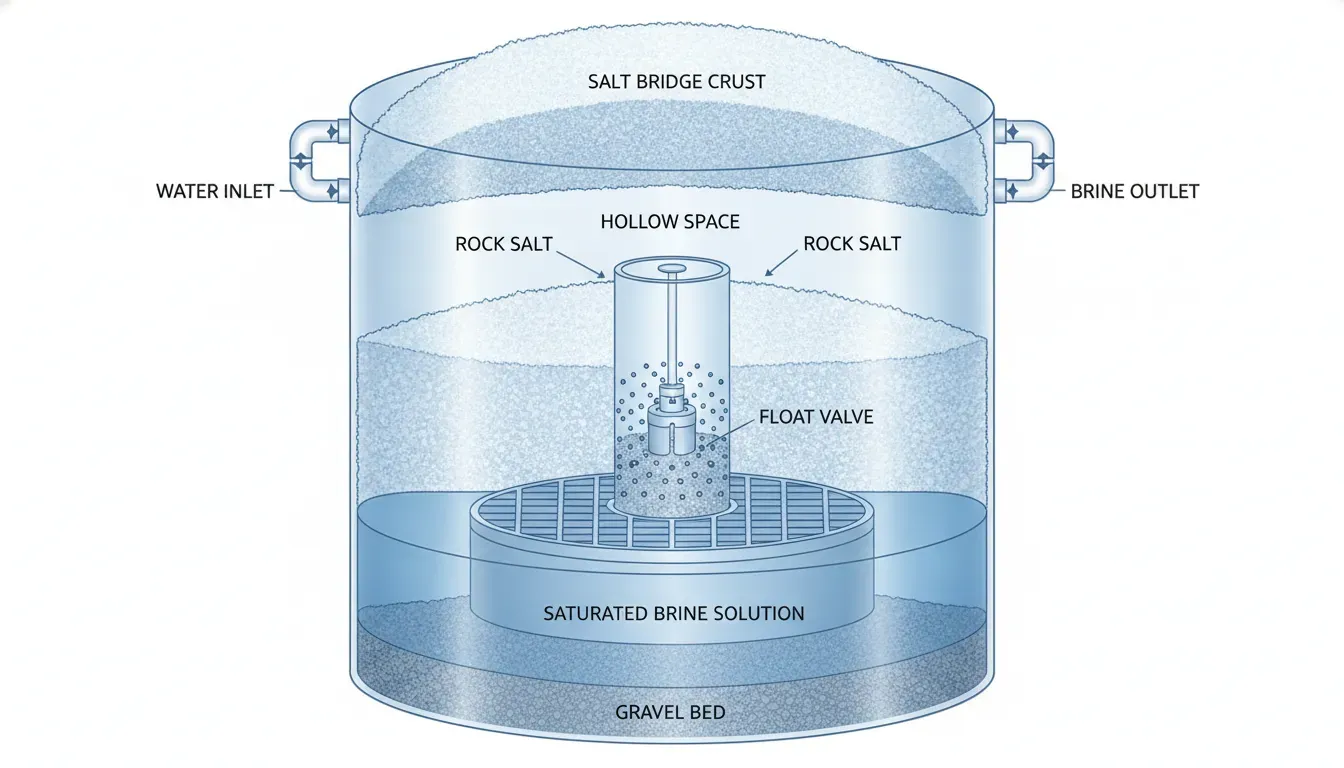
Once the bridge is broken, the salt will fall back down, and your system can resume normal operation. After breaking it up, check back in a few days to confirm the bridge has not reformed. Some homeowners on the Treasure Coast find that using pellet-style salt instead of cubed salt reduces bridging in humid conditions. If salt bridges keep returning despite these efforts, your brine tank may have excess moisture or a ventilation issue that requires professional attention.
Need help with a stubborn salt bridge? Call Plumbing by Bishop at (772) 286-5872 for expert water softener service.
3. Clean the Brine Tank Annually
Over time, sediment, salt residue, and mineral buildup accumulate at the bottom of the brine tank. This sludge can reduce efficiency and, if left alone for years, can damage the system. An annual cleaning keeps everything running smoothly and is a key step every homeowner should know about how to maintain a water softener for the long haul. In Florida’s hard-water environment, skipping this step for multiple years can lead to costly repairs.
To clean the brine tank safely:
- Unplug the system or put it in bypass mode.
- Scoop out any remaining salt and store it in a clean, dry container.
- Remove the grate at the bottom of the tank if your model has one.
- Use a wet-dry vacuum or a shop cloth to remove standing water and sludge.
- Wipe down the inside walls with a mild soap and warm water solution. Do not use harsh chemicals or bleach.
- Rinse thoroughly, replace the grate, add fresh salt, and run a manual regeneration cycle.
This process takes about an hour and pays for itself in improved efficiency. Most manufacturers recommend brine tank cleaning every one to three years. In Florida’s climate, leaning toward the annual side of that range is a smart move given the higher mineral content in our water supply. If you notice a dark or gritty residue during cleaning, that is a sign your system is working hard against Treasure Coast water conditions. Some homeowners schedule this cleaning at the same time each year, such as at the start of Florida’s rainy season, to make it a consistent habit.
Benefits of annual cleaning: Prevents salt mushing and sludge accumulation. Maintains regeneration efficiency. Extends the life of internal components. Reduces the risk of foul odors from stagnant water. Keeps your warranty valid by showing documented maintenance. For most Treasure Coast homeowners, one hour per year is a small investment that protects a system costing thousands of dollars.
4. Inspect and Maintain the Resin Bed
The resin bed is the heart of your water softener. Those tiny resin beads attract and hold calcium and magnesium ions, swapping them for sodium during the regeneration cycle. Over time, resin beads can become fouled with iron, sediment, or chlorine, especially in areas with municipal treated water. Recognizing when the resin needs attention is an advanced but important aspect of how to maintain a water softener comprehensively.
If you notice a gradual decline in water softness, or if your system needs to regenerate more frequently than usual, the resin bed may need attention. A specialized resin cleaner can help. These cleaners are poured directly into the brine well and flushed through the system during a regeneration cycle. However, resin cleaning is one area where homeowners should tread carefully. Using the wrong cleaner or the wrong amount can damage your system. If your water softener is still under warranty, using an unapproved chemical can void that coverage.
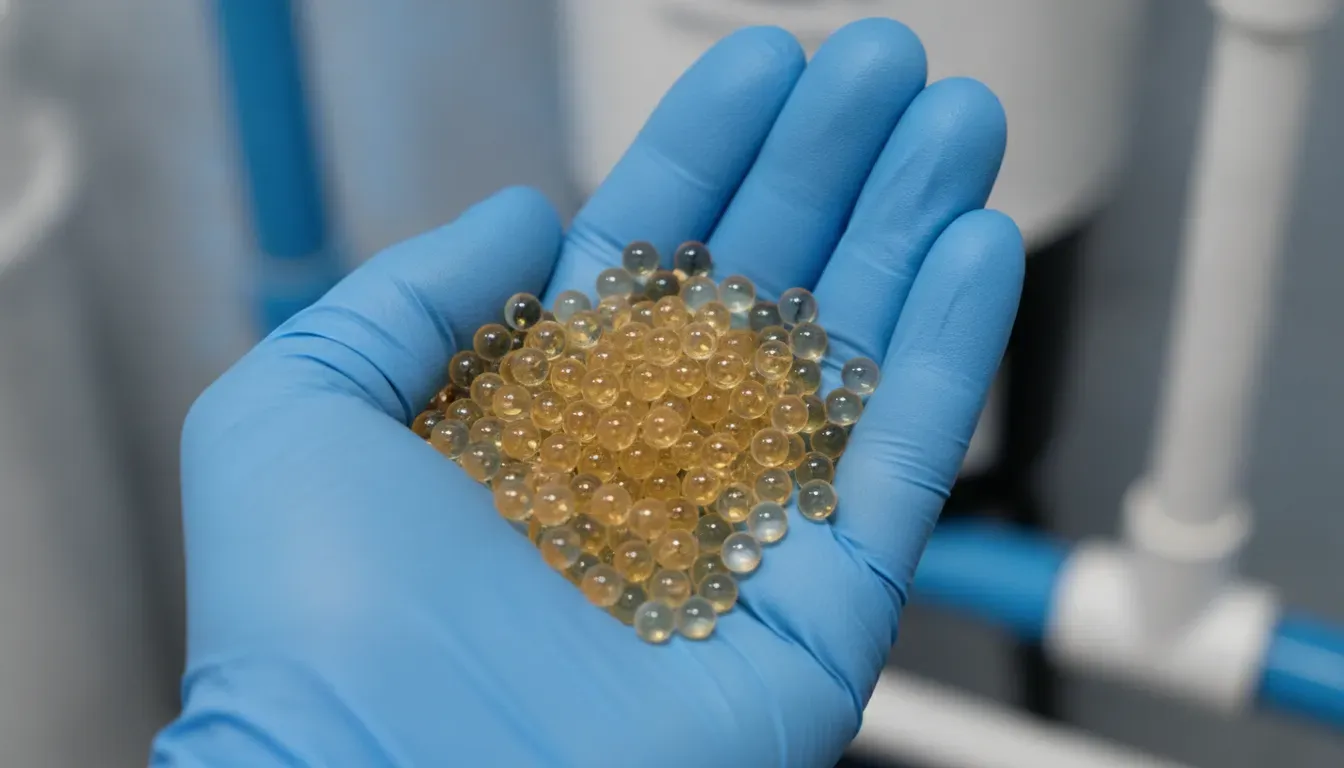
This is an excellent time to call a qualified technician who understands your specific system and its requirements. Professional resin inspection is a vital part of how to maintain a water softener without risking damage to expensive components. A technician can test the resin bead condition, measure exchange capacity, and determine whether cleaning or replacement is the right course of action. For North Star systems, Plumbing by Bishop’s authorized technicians have the manufacturer-specific training to handle resin maintenance correctly the first time.
Signs your resin bed may need service: Water feels harder than usual after regeneration. The system runs through salt faster than normal. You notice rusty or discolored water from taps. Regeneration cycles run longer or more frequently than programmed. These symptoms warrant a professional diagnostic rather than guesswork with chemical cleaners.
5. Schedule Professional Maintenance for Warranty Compliance
Here is something many homeowners do not realize: most water softener warranties require proof of professional maintenance to remain valid. Skipping annual service checks can void your coverage, leaving you with the full cost of repairs or replacement if something goes wrong. This is one of the most overlooked aspects of how to maintain a water softener, yet it directly affects your wallet.
Professional maintenance goes beyond what a homeowner can do on their own. A certified technician will:
- Inspect the entire system for leaks, wear, and potential failure points.
- Test water hardness and adjust regeneration settings accordingly.
- Clean and service the venturi valve and injector assembly.
- Check the bypass valve and ensure proper system pressure.
- Verify that the salt dosage and regeneration frequency match your household’s actual water usage.
Plumbing by Bishop is an authorized warranty service provider for North Star Water Softeners. That means when you call us for service, your warranty stays intact, and the work is done by technicians who are specifically trained on your equipment. We serve homeowners across the Treasure Coast, including Stuart, Port St. Lucie, Jensen Beach, Palm City, Hobe Sound, and the surrounding communities. Every team member undergoes background checks, so you can trust the person working in your home.
Our technicians are background checked, drug tested, and held to the highest professional standards. We are the cleanest plumbers in the business, and we treat your home with the same respect we would want in our own. Check our current specials for savings on your next service visit.
Schedule your water softener service today and protect your investment. Call (772) 286-5872 for Stuart, (772) 335-0442 for Port St. Lucie, or (772) 545-2464 for Hobe Sound.
How Often Should You Service a Water Softener?
Monthly salt level checks and annual brine tank cleanings are tasks most homeowners can handle. But professional maintenance should happen every one to two years, depending on your water quality and usage. If you are on well water or have particularly hard water on the Treasure Coast, annual professional service is the safer bet. The right schedule depends on how your system handles local conditions, which is why knowing how to maintain a water softener includes understanding your own water profile. A simple water hardness test, available at most local hardware stores, can give you a baseline to discuss with your service technician.
Quick answer: Check salt monthly, clean the brine tank annually, and schedule a professional inspection every 12 to 24 months. Following this schedule gives you the best balance of performance, longevity, and warranty protection for your water softener investment.
What Happens If You Do Not Maintain a Water Softener?
Neglecting maintenance leads to a cascade of problems. Hard water breakthrough, increased energy costs from scale buildup in water heaters, reduced appliance lifespan, and eventually, complete system failure. A water softener replacement costs significantly more than the minimal investment of routine maintenance. More importantly, skipping maintenance can void your manufacturer’s warranty, turning a covered repair into a full out-of-pocket expense. A water heater saddled with calcium scale can lose up to 30% efficiency, driving monthly energy bills higher for years before the softener issue is even noticed.
Beyond appliances, hard water scale affects your plumbing pipes, showerheads, faucets, and even the internal components of your washing machine and dishwasher. Over a decade, the cumulative damage from untreated hard water can cost thousands of dollars in repairs and replacements. Preventative maintenance is not just about keeping soft water flowing; it is about protecting your entire home plumbing investment.
The bottom line: A proactive approach to how to maintain a water softener saves you money, protects your warranty, keeps your water quality high, and extends the life of your home’s most water-dependent appliances.
Can You Clean a Water Softener Resin Tank Yourself?
You can use a commercial resin cleaner to remove iron and mineral buildup from the resin bed. Follow the manufacturer’s instructions carefully and use only products recommended for your specific system. If you are unsure about the right product or process, or if your system is under warranty, it is better to have a professional handle it. An incorrect cleaning can permanently damage the resin beads and require a full system rebuild. When in doubt, ask a certified technician who knows your North Star system inside and out.
Frequently Asked Questions About Water Softener Maintenance
Does a water softener need maintenance?
Yes. Regular maintenance including monthly salt checks, annual brine tank cleaning, and periodic professional inspections keeps your system running efficiently and protects your warranty.
How do I know if my water softener has a salt bridge?
If your water suddenly feels hard again but the salt level looks normal, gently tap the side of the brine tank near the top. A hollow sound just below the surface indicates a salt bridge has formed.
What type of salt should I use in my water softener?
Use high-purity evaporated salt pellets designed specifically for water softeners. Avoid rock salt, pool salt, or table salt, which contain impurities that can damage the system.
How often should a professional service my water softener?
Schedule professional maintenance every one to two years. Florida homeowners with hard water or well water should lean toward annual service to stay ahead of mineral buildup and protect their warranty.
Will a water softener help with sulfur smell?
Standard water softeners do not remove sulfur odors. If you notice a rotten egg smell in your water, you may need additional treatment such as a sediment filter or activated carbon system. A qualified technician can test your water and recommend the right solution.
Keep Your Water Softener Running at Its Best
Knowing how to maintain a water softener is about more than just keeping your water soft. It is about protecting your investment, maintaining your home’s plumbing efficiency, and ensuring you get the full life out of your system. Monthly salt checks, watching for salt bridges, an annual brine tank cleaning, and regular professional service are the five habits that make the difference between a system that lasts and one that fails prematurely.
If you are planning a new system, read our guide to water softener installation for Treasure Coast homes before scheduling service. If you are due for a professional inspection or your North Star Water Softener needs warranty service, contact Plumbing by Bishop. We are the Treasure Coast’s trusted water softener service provider, and we are here to help. With 43 years of local experience and a commitment to being the cleanest plumbers in the business, your system is in good hands.