
Recurring leaks, rusty water, or a noticeable drop in pressure can signal more than an isolated fixture problem. In older Treasure Coast homes, especially those built before the late 1980s, the condition and material of the supply piping deserve a closer look. A professional assessment can help distinguish a repairable issue from a system-wide concern without relying on guesswork or scare tactics.
Whole-home repiping replaces old, corroded, or leaking supply pipes throughout the house with a modern plumbing system. The work typically includes evaluating the existing lines, selecting an appropriate material such as PEX or copper, installing the new piping, pressure testing it, and reconnecting fixtures. The right approach depends on the home, existing pipe material, access, and local requirements.
Schedule a repiping inspection and estimate with Plumbing by Bishop today.
Understanding what the work covers makes it easier to plan for interruptions, protect your property, and ask useful questions during an inspection. It also starts with knowing what is actually being replaced and how that differs from a targeted plumbing repair.
What Repiping Involves and When You Need It
Whole-home repiping replaces old, corroded, or leaking pipes throughout a house rather than treating each failure as an isolated event. The goal is to reduce the risk of water damage while improving water quality and reliable flow at the fixtures. A repipe is planned around the home's existing layout, pipe material, condition, and the way water enters and moves through the property.
Which pipes are replaced?
A complete project generally addresses the home's water supply lines. Including the hot and cold lines that run from the distribution points to sinks, toilets, showers, laundry equipment, and other fixtures. The plumber evaluates the full system to identify which sections are affected and whether the main water line also needs replacement. If that line is corroded or damaged, replacing it can be a critical part of a total home repipe. Since a new interior system cannot solve problems in a failing incoming line.
The work may also include reconnecting fixtures and addressing access points in walls, ceilings, floors, or other finished areas. The exact scope depends on the condition of the existing plumbing and the home's construction. A careful assessment helps distinguish a true whole-home need from a localized problem that can be handled with professional plumbing repairs.
When does a full repipe make more sense than repairs?
Repairs can be a practical choice when a problem is isolated and the surrounding system remains in good condition. A full repipe becomes more reasonable when leaks continue to appear in different areas. Repairs are no longer cost-effective, or the plumbing system is near the end of its expected service life. Replacing the network at once can address widespread deterioration instead of creating a cycle of recurring service calls and patchwork fixes.
Water pressure is another factor in the evaluation. Excessively high pressure places stress on plumbing systems and can contribute to leaks or an earlier need for repiping. A professional assessment should consider pressure, pipe condition, previous repairs, and the home's future needs before recommending a full replacement. The result is a scope based on evidence, not a one-size-fits-all sales pitch.
For Treasure Coast homeowners, the right plan may be a partial replacement, a main line upgrade, or a complete repipe. An inspection can clarify which option protects the home and delivers dependable water service without replacing sound plumbing unnecessarily.
What Are the Signs Your Treasure Coast Home May Need Repiping?
Plumbing problems that keep returning may point to aging supply pipes rather than a single fixture failure. Watch for frequent pipe leaks, a noticeable drop in water pressure, rust-colored or discolored water, or a persistent metallic taste. These symptoms do not prove that the entire plumbing system needs replacement. But they are good reasons to schedule a professional evaluation before a small repair becomes a larger disruption.
Why older pipe materials fail
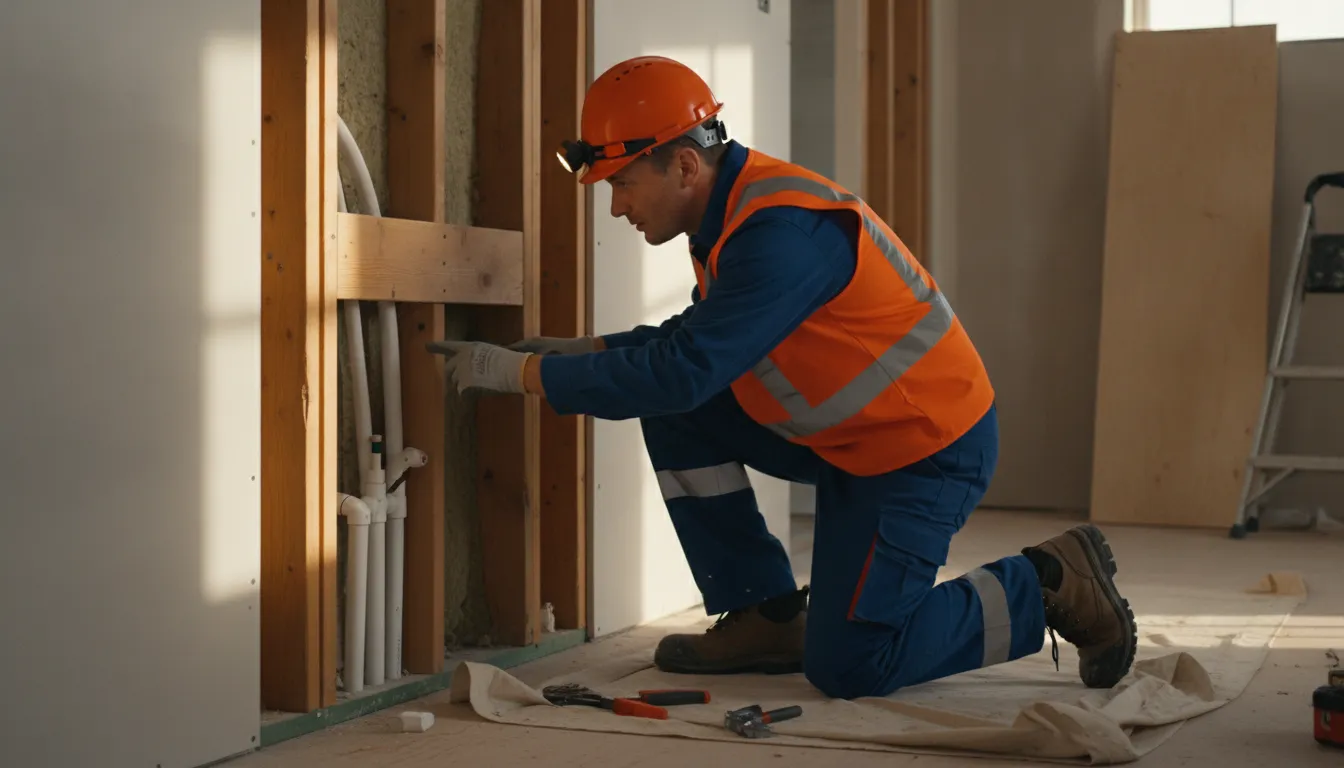
Construction date and pipe material can provide useful context. In the Treasure Coast, homes built before the late 1980s may contain galvanized steel or polybutylene piping, both of which should be inspected as they age. Galvanized steel can corrode internally, restricting flow and affecting water appearance. Polybutylene was common in homes built during the 1980s and early 1990s and is prone to premature failure and leaking. If you are unsure what is behind the walls, a plumber can identify accessible pipe materials and assess the condition of the system.
Discolored water or a metallic taste can be especially frustrating when it appears repeatedly after the fixtures have been used. Combined with low pressure or recurring leaks, these signs may indicate widespread deterioration. Keeping up with proactive plumbing maintenance can help identify changes earlier, but maintenance cannot reverse seriously corroded or failing pipes.
When to schedule an inspection
Arrange an inspection when leaks recur in different parts of the home. Pressure remains weak after a fixture repair, or water quality changes do not resolve with normal flushing. A slab leak requires particular attention. It is a plumbing failure beneath or within the slab that may require specialized leak detection and, in some cases, repiping of the affected areas. Unexplained damp spots, sounds of running water when fixtures are off, or a sudden increase in water use should be evaluated promptly, without assuming the problem is a whole-home repipe.
An inspection helps distinguish an isolated repair from a pattern affecting multiple lines. The plumber can then explain whether targeted replacement, leak detection, or a broader repiping plan is appropriate for the home's age, layout, and existing materials.
Ask about a professional repiping evaluation for your Treasure Coast home.
PEX vs Copper: Which Repiping Material Is Right for You?
Choosing a pipe material is an important part of planning a whole-home repipe. The right option depends on the existing layout, water conditions, access to the walls, and the long-term needs of the property. PEX and copper are both established materials, but they perform differently during installation and in service.
| Attribute | PEX | Copper |
|---|---|---|
| Flexibility | Flexible tubing can follow curves and may make routing through a home easier. | Rigid pipe requires more deliberate planning around corners, connections, and access points. |
| Corrosion and scale resistance | Resists scale and chlorine, which can be useful in the right water environment. | Durable, but the plumbing system and local water conditions should be evaluated before selection. |
| Installation | Can often be snaked through existing walls, potentially reducing drywall removal and simplifying access. | Has a long-established installation method, but its rigidity can require more open access in some layouts. |
| Durability | Highly resistant to freezing, although proper installation is still necessary to prevent damage. | Known for durability, longevity, and resistance to ultraviolet light. It has been used and tested in plumbing systems for decades. |
| Best fit | Homes where flexible routing, reduced wall disturbance, and resistance to scale or chlorine are priorities. | Projects where a traditional, well-understood material and long service history fit the system's design. |
PEX is often attractive when access is difficult because its flexibility can help a plumber route new lines through existing walls. Its resistance to scale and chlorine, along with its freeze resistance, may also suit certain homes. Copper remains a reliable choice when its durability, UV resistance, and familiar installation characteristics align with the property.
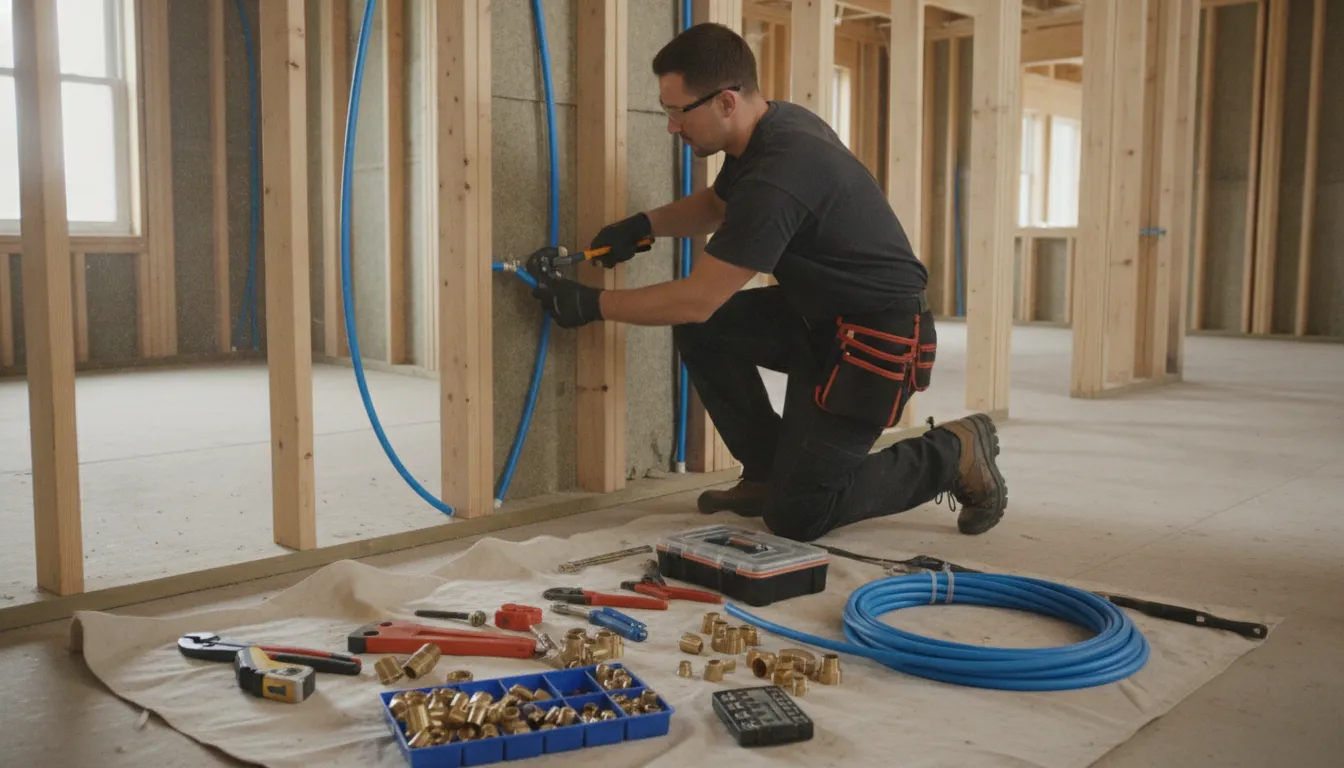
There is no universal answer for every home. A licensed plumber should assess the existing pipes, water conditions, layout, code requirements, and access before recommending a material. Plumbing by Bishop can evaluate the system and explain the available options as part of its plumbing services.
How Does the Repiping Process Work?
A whole-home repipe is planned as a coordinated project, not a series of unrelated leak repairs. The goal is to replace failing supply lines, create dependable routes to each fixture, and leave the plumbing system ready for inspection and daily use. For most residential homes, the work takes several days. The exact schedule depends on the home's size, the number of fixtures, and how accessible the existing layout is.
- Assess the existing plumbing system. A plumber begins by inspecting the current pipes, fixtures, shutoff points, and main water line. This assessment helps identify corrosion, damaged sections, difficult access areas, and whether the main line should be included. It also clarifies which walls, ceilings, cabinets, or other finished areas may need careful access.
- Prepare the estimate and project plan. After the inspection, the plumber explains the recommended scope, materials, work sequence, and expected duration. The plan should account for the home's layout and the locations of kitchens, bathrooms, laundry equipment, outdoor connections, and water-using appliances. Clear planning helps prevent surprises once installation begins.
- Map the new pipe routes. New supply lines are routed from the water source to the fixtures with attention to access, support, shutoffs, and future serviceability. Flexible PEX can often be threaded through existing wall spaces, while other installations may require more direct access. The routes should also allow for appropriate pipe insulation, which helps maintain water temperature and can improve energy efficiency.
- Install the new piping. The old supply pipes are replaced according to the approved plan. The installer connects the new lines to the home's plumbing network and fixtures, using suitable fittings and supports. Work is performed carefully around finished surfaces, with the aim of keeping the job organized and minimizing unnecessary disruption.
- Pressure-test the system. Before the project is considered complete, the new plumbing is tested under pressure. This step helps identify leaks or connection problems while the system is accessible, rather than after walls and finishes have been restored. Any issue found during testing can be corrected before the final handoff.
- Complete code inspection and final fixture connections. A plumbing inspector verifies that the repiping work meets current local codes and safety requirements. Once the installation passes inspection, the plumber completes final connections to faucets, toilets, showers, appliances, and other fixtures, then confirms that water is flowing properly throughout the home.
A professional repiping project should end with a documented, code-compliant system and clear guidance for using the updated plumbing. Asking questions before work begins can help homeowners understand the sequence, access requirements, and expected timeline.
Why Repiping a House on the Treasure Coast Takes Local Experience
Repiping is not a one-size-fits-all project, especially in a coastal environment. Soil and water in some Treasure Coast areas can be corrosive, affecting the lifespan of underground or exposed plumbing. An experienced plumber evaluates those local conditions alongside the home's age, pipe material, water pressure, leak history, and layout before recommending a solution.
Local conditions call for a careful diagnosis
A professional evaluation can distinguish between an isolated failure and a plumbing system that is approaching the end of its useful life. Plumbing by Bishop provides professional leak detection to help homeowners determine whether repiping is necessary. That matters because a slab leak, for example, may require specialized detection and repiping only in affected areas. While widespread corrosion or repeated failures may justify a broader project.
Repiping can remove rust and sediment buildup, improving flow and water quality at faucets and showerheads. It can also help prevent the much larger costs associated with severe water damage when aging pipes fail. The right recommendation should be based on evidence, not pressure to replace a system that could be addressed with targeted professional plumbing repairs.
When a whole-home repipe is appropriate, licensed and insured professionals help protect the work, meet current plumbing codes, and provide greater peace of mind. Required inspections verify that the project follows local safety regulations. A properly completed repipe may also support property value by giving buyers confidence in the home's plumbing infrastructure.
Workmanship includes more than installing new pipe. The crew should plan access points carefully, protect finished surfaces, pressure-test the system, and leave the home orderly. Plumbing by Bishop has served the Treasure Coast since 1983, with coverage including Stuart, Jensen Beach, Palm City, Hobe Sound, Jupiter, and Palm Beach Gardens. Its technicians are drug-tested and background-checked, and the company lives by its promise to be The Cleanest Plumbers in the Business.
For help evaluating a repiping concern or coordinating related work, homeowners can review Plumbing by Bishop's full-service plumbing services. Experience helps ensure the recommendation fits the home's actual condition, the local environment, and the owner's long-term plans.
Schedule your whole-home repiping consultation with Plumbing by Bishop today.
Frequently Asked Questions
How much does whole-home repiping cost?
The cost depends on the home's size, layout, pipe condition, access, selected material, and whether the main water line also needs replacement. A plumbing professional should inspect the system before recommending a full repipe or a more limited repair. Contact Plumbing by Bishop for a project-specific assessment and estimate rather than relying on a general price range.
What are the clearest signs that a house needs repiping?
Frequent leaks, declining water pressure, rust-colored water, or a persistent metallic taste can indicate widespread pipe deterioration. Homes built before the late 1980s may also contain galvanized steel or polybutylene piping that deserves inspection, especially if leaks are recurring. Leak detection can help determine whether the problem is localized or affects much of the plumbing system.
Is PEX or copper better for a whole-home repipe?
Neither material is right for every home. PEX is flexible, resists scale and chlorine, and can often be routed through existing walls with less drywall removal. Copper is durable, resistant to ultraviolet light, and has been used and tested in plumbing systems for decades. The layout, installation conditions, water characteristics, and homeowner priorities should guide the recommendation.
How long does a whole-home repiping project take?
A residential repiping project usually takes several days, although the exact schedule depends on the home's size and the complexity of its existing layout. The work generally includes an assessment, installation, pressure testing, final fixture connections, and required code verification. Your plumber should explain access points, water interruptions, insulation, cleanup, and the handoff before work begins.
Schedule Your Repiping Inspection
A professional evaluation can help clarify whether your home needs targeted repairs or a whole-home repiping plan. To schedule a repiping inspection and estimate with Plumbing by Bishop, contact us online. Share what you have noticed, such as recurring leaks, low water pressure, or discolored water, so the team can understand your concerns and recommend an appropriate next step.